
ETAL
A redesign of the home fridge around fresh produce instead of generic storage. Research into household food waste showed fruits and vegetables are the most frequently discarded items, in part because standard fridges give them no dedicated place or visibility. ETAL responds with a round, glass-fronted form: a fruit bowl and open herb terrarium on top for what should be seen and used first, and a rotating glass-shelved column below split into produce, dry storage and general chambers — built in cork and wood-toned accents rather than the usual white plastic.
Research
Farm to fork
Food is lost at every stage on its way to the table. Once it reaches the home, it becomes food waste across four steps: purchase, storage, use and disposal. Mapping the causes at each step pointed to the two a fridge actually controls: products that aren’t stored properly and products that aren’t consumed in time.
- Growing
- Processing
- Storage
- Packaging
- Transport
- Distribution
- Consumption
- PurchaseOver-purchasing
- Lack of planning / poor planning
- Aggressive marketing
- Eyes bigger than stomach
- StorageProducts expire before use
- Products aren’t consumed in time
- Products aren’t stored properly
- UsePreparing too much food
- Cultural influence
- Lack of planning / poor planning
- DisposalAdditional reasons
- Recall
- Unappetizing leftovers
- Misreading the dates on the product
Interviews
Five households, aged 26 to 91, were interviewed about how they shop, cook and use their fridge. Food that people like and can see gets eaten; what gets wasted is what gets buried at the back, over-bought “just in case,” or left behind as less appealing leftovers.

Yonatan
34, Ra’anana
Lives with his wife and their two children (2, 5), an organizational consultant at a tech company. Keto diet, buys vegetables from a local farm every week, but mostly as top-ups. Buys a quarter of a cow every three months, practices nose-to-tail eating. Loves to cook, especially loves preparing meat.
- “If I cook food for myself and my wife for the week, we quickly get tired of what I made, and it gets thrown out.”
- “We don’t eat the same thing for more than two days.”
- “If it’s really tasty, then three days.”
- “The most annoying problem with my fridge is that it’s deep and I don’t see things, then I discover they’ve rotted.”
Open questions
How did the food turn out — tasty? Affects his consumption. A structured food routine, and learning independent consumption habits.

Leila
91, Herzliya
Lives with her husband (92) and a caregiver. PhD in botany. Orders food online once every two weeks.
- “I don’t throw away food.”
- “The last time I threw away food was two weeks ago — I threw out a cucumber that had frozen.”
- “I buy ready-made food.”
- “I cook, or my caregiver cooks, for the afternoon.”
- “Sometimes it’s enough for two meals, sometimes even three.”
Open questions
Do older people throw away less food?

Omer
26, Tel Aviv
Lives with two roommates, a student. Does one big grocery shop a week. Mainly buys vegetables. Goes to the neighborhood supermarket on the day vegetables are on sale.
- “I like to pick out the vegetables myself.”
- “I try not to do top-up shopping at all.”
- “I usually cook two to three days ahead.”
- “I make all kinds of variations with leftovers from food I’ve already made.”
- “Lately, one of the things I throw away most is food I didn’t cook myself.”
- “I almost never throw away food, because I was really raised in a home that almost never threw away food.”
- “If I cook something new, whoever opens the fridge and sees the new dish will take it instead of the dish that was there before.”
- “If I see a carrot starting to look tired, I’ll cook with it.”
- “I almost never clean my fridge.”
- “If everything in my life could have a label, I’d be thrilled.”
- “I’d like to have a dedicated spot for each product in the fridge, matched to ventilation and temperature.”
- “I paid more for a fridge so it would have a freezer at the bottom.”
Open questions
What percentage of waste is due to shopping versus consumption at home?

Nimrod
35, Nes Ziona
Lives with his partner. Industrial design student. They do one big grocery shop a week. Take food from parents on weekends. Top-up shopping as needed, eat out once or twice a week. Supermarket enthusiast.
- “Things that are really tasty we won’t throw away — we eat them first.”
- “Fruit usually runs out before it rots.”
- “We often buy less than we need.”
- “The main thing in a fridge is the size.”
Open questions
The relationship between top-up shopping and planned shopping, and its effect on how much gets thrown away.

Merav
56, Midreshet Ben-Gurion
Lives with her husband and one daughter out of 5 children who have left home. Mentors school principals. Orders online once a week, with a fairly fixed list. Does top-up shopping as needed.
- “I hate grocery shopping.”
- “I cook when I need to.”
- “We try to always have a pot ready for the week.”
- “We don’t throw away much — it’s always around the day the groceries arrive, I’ll throw out whatever’s left.”
- “A lot of times there are leftover containers of cooked food with things that are a bit less tasty and less appealing.”
- “I always buy a bit more, because I don’t know who’s coming and when.”
- “I’d be happy to use more things that grow here, or that I grow here.”
- “I’d like the fridge to communicate with me — to tell it to move something from the freezer to the fridge, to have it neutralize odors.”
- “I’d like it to look like a cabinet, not just another appliance.”
Open questions
People are uncomfortable admitting they throw away food. Hosting guests and changes in household size cause more food to be thrown away.
Fridge diaries
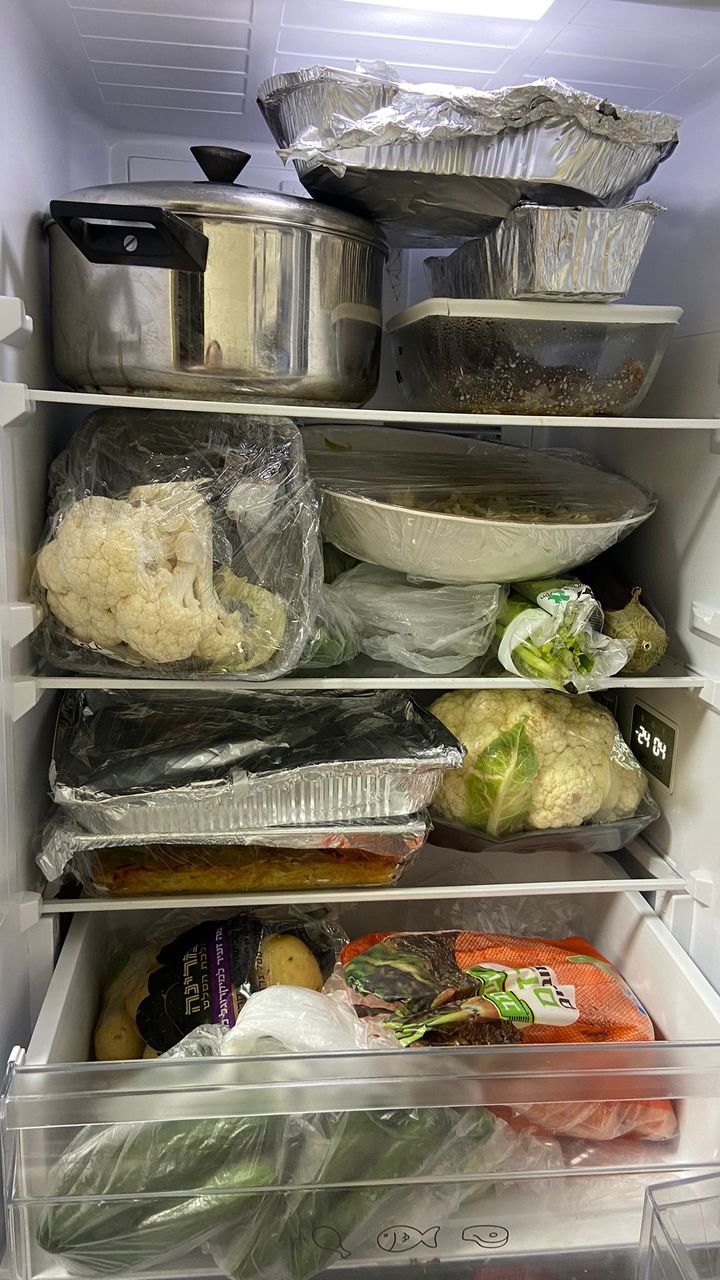
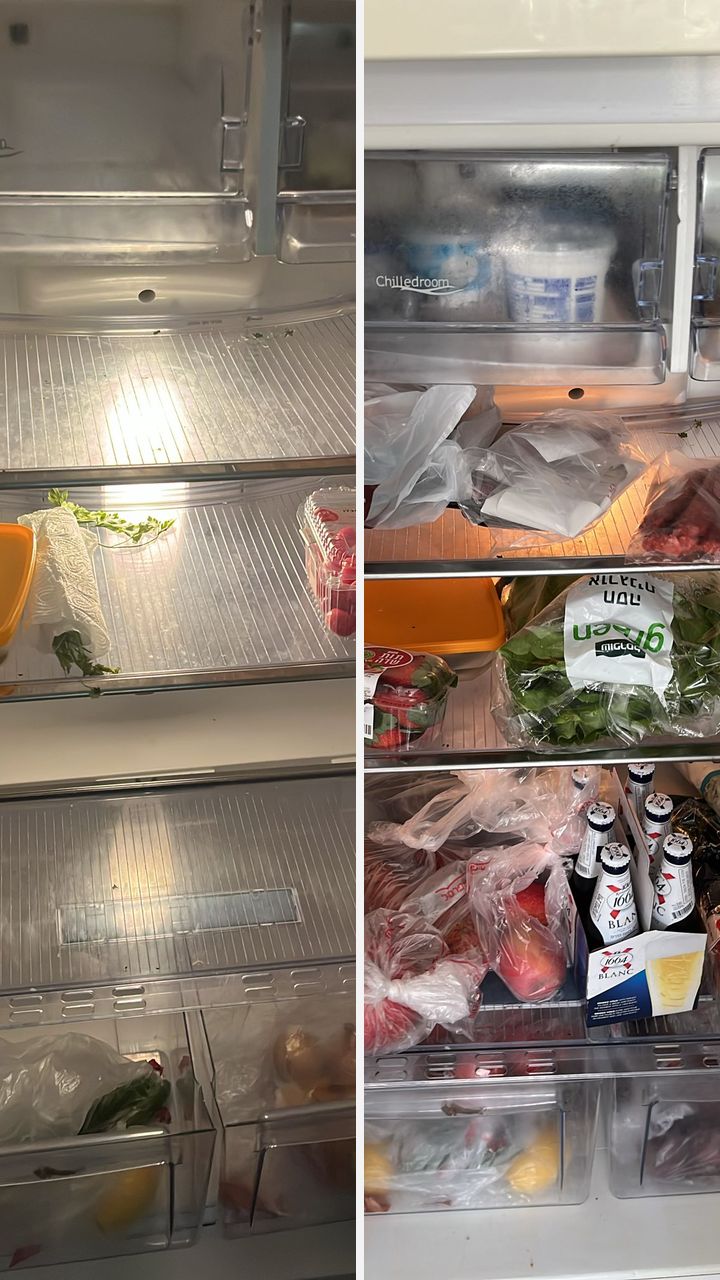
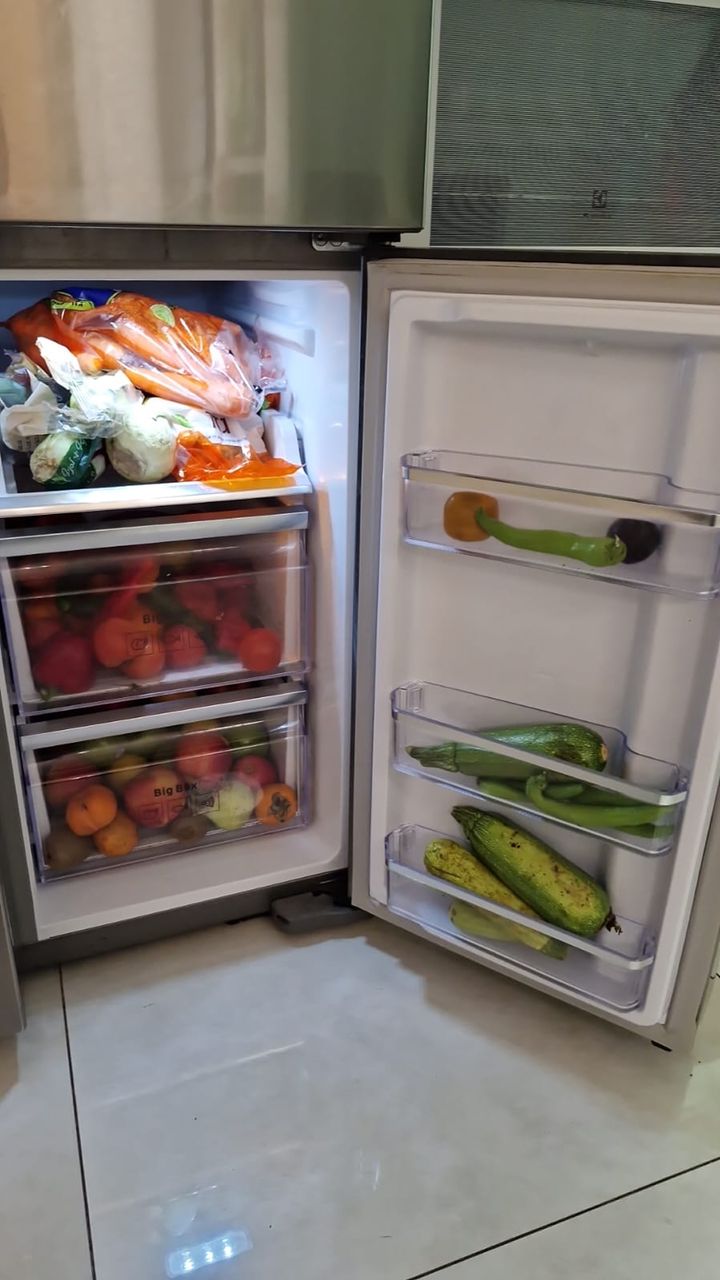
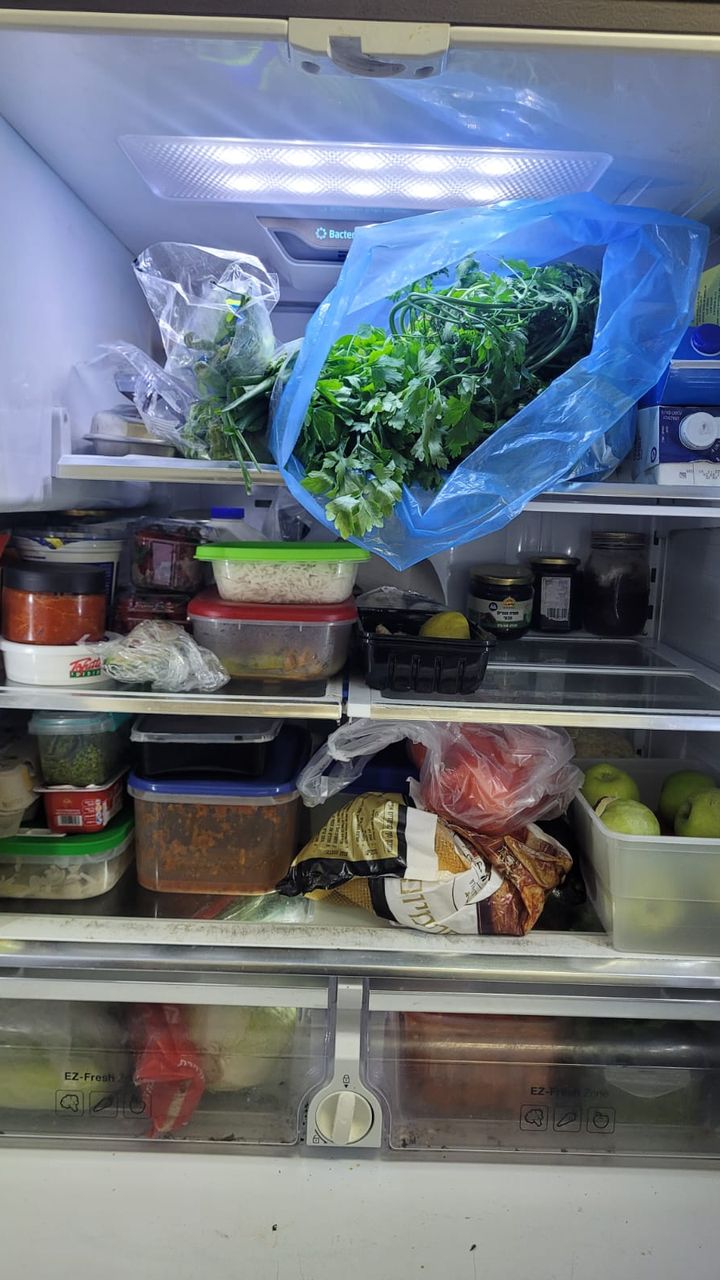
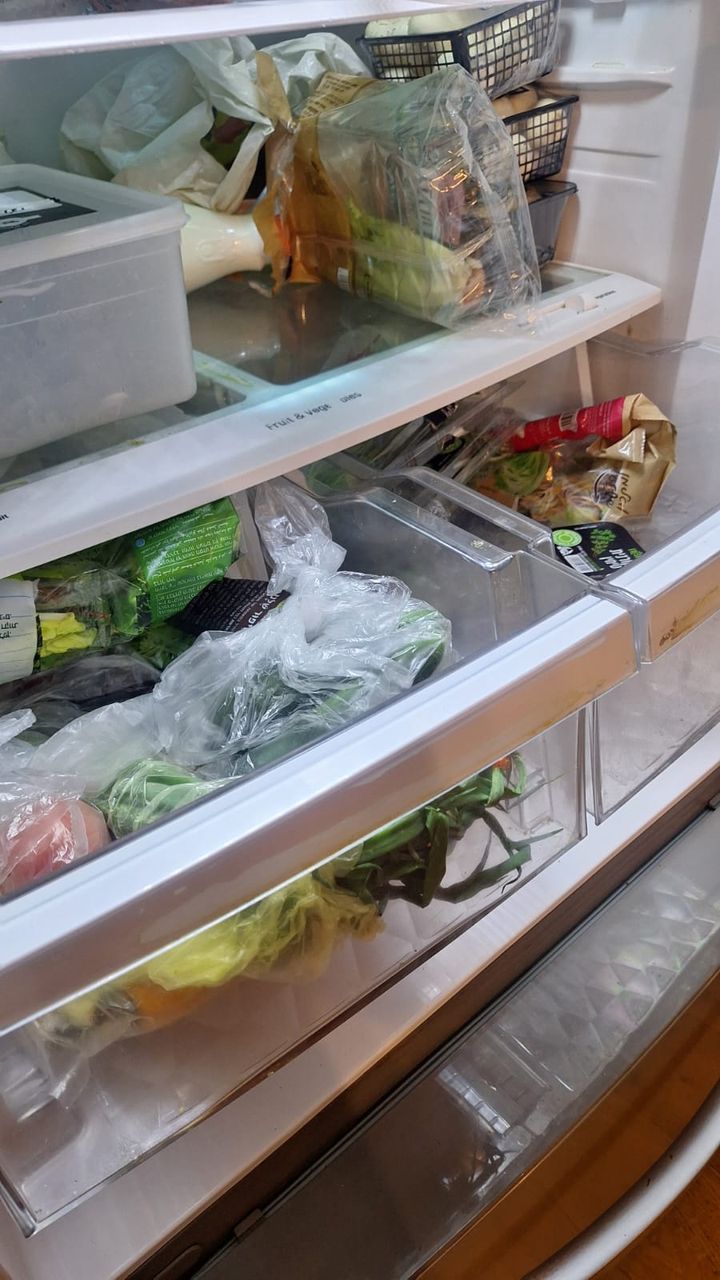
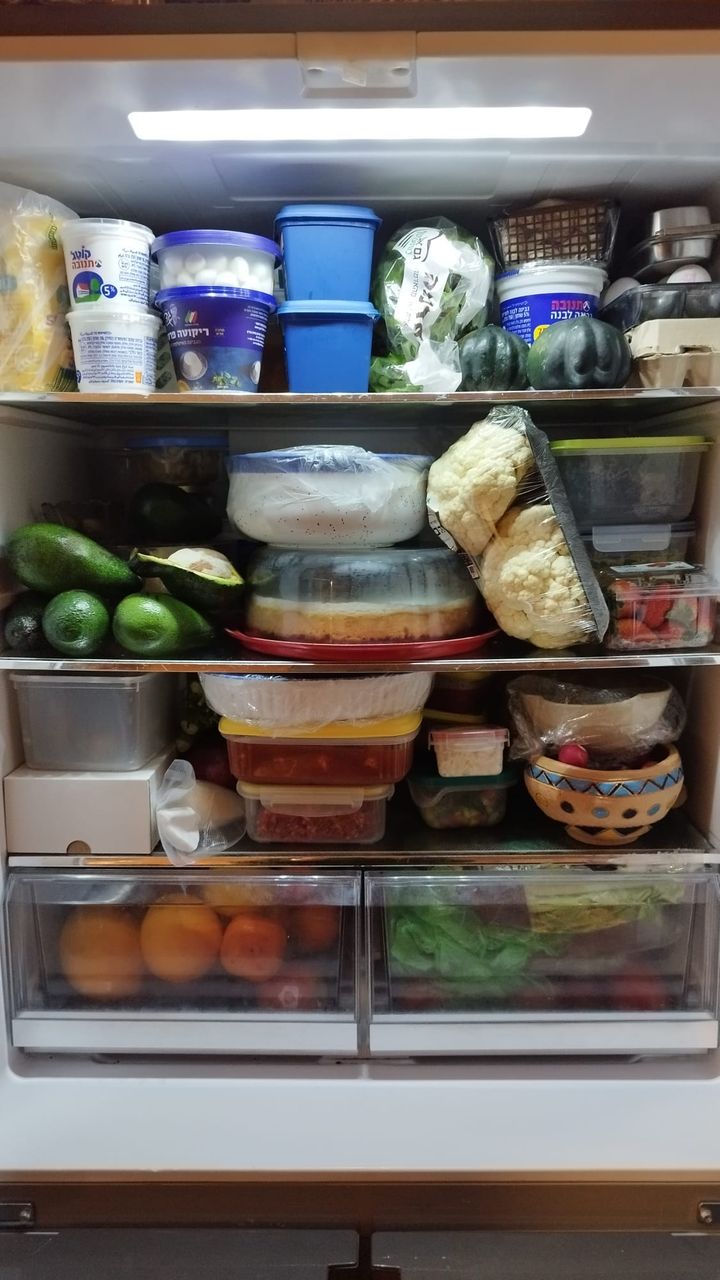
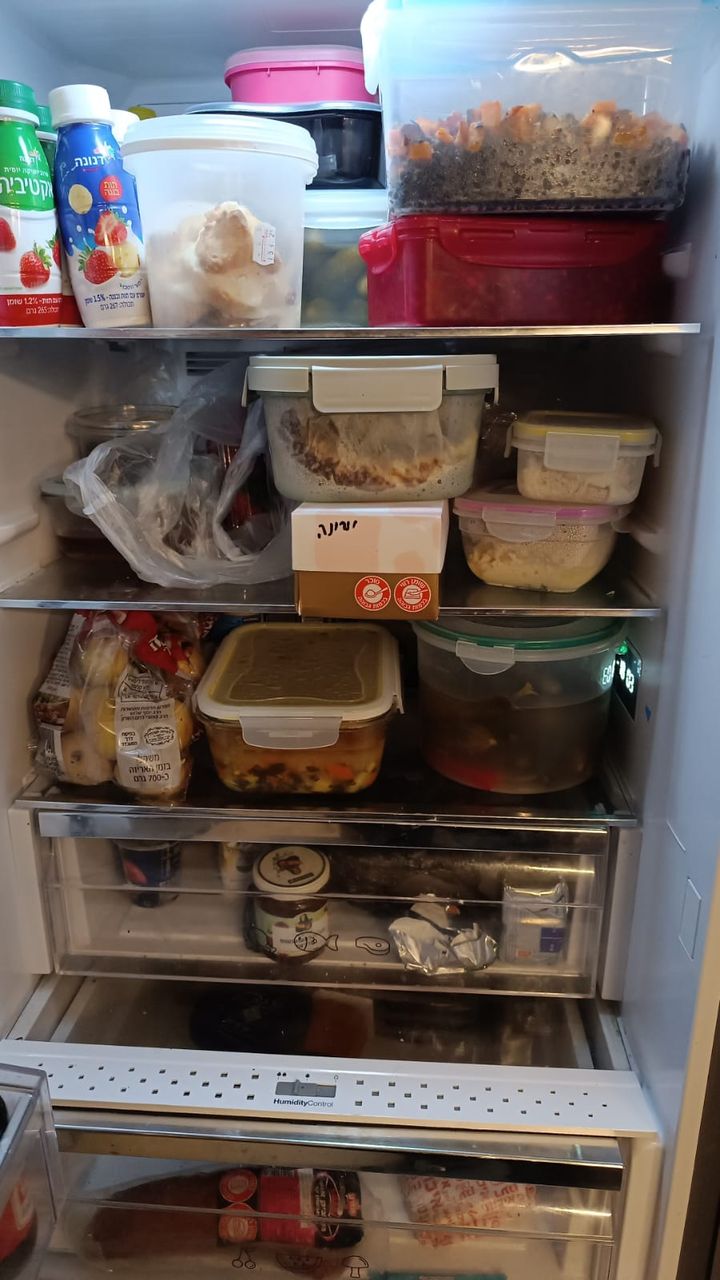
Fifty participants photographed the inside of their fridge every day for two weeks. Together the photos show how a fridge is actually used, day after day, rather than how it is meant to be used.
50
participants photographing their own fridge
1,380
photos collected
15
days, one photo a day
Day 1
of 0
What the photos showed
What stays out of the fridge
112 people took part in the survey. For each product, the bar shows how many keep it outside the fridge and how many keep it inside. Bananas, onions, potatoes and garlic mostly sit on the counter.
- Bananas96%
- Sugar92%
- Onions88%
- Potatoes88%
- Rice88%
- Sweet potatoes85%15%
- Coffee85%15%
- Garlic81%19%
- Nuts and seeds81%19%
- Spices81%19%
- Apples69%31%
- Legumes and flour65%35%
- Lemons62%38%
- Pumpkin27%73%
- Pears27%73%
- Eggplant23%77%
- Bread23%77%
- Tomatoes88%
- Peaches88%
- Beetroot92%
- Zucchini96%
- Fennel96%
- Kohlrabi96%
- Cucumbers100%
- Cabbage100%
- Eggs100%
How a fridge makes cold
A fridge does not make cold, it moves heat. A refrigerant circulates in a closed loop, picking up heat inside the cabinet and releasing it into the room at the back.
Taking a fridge apart
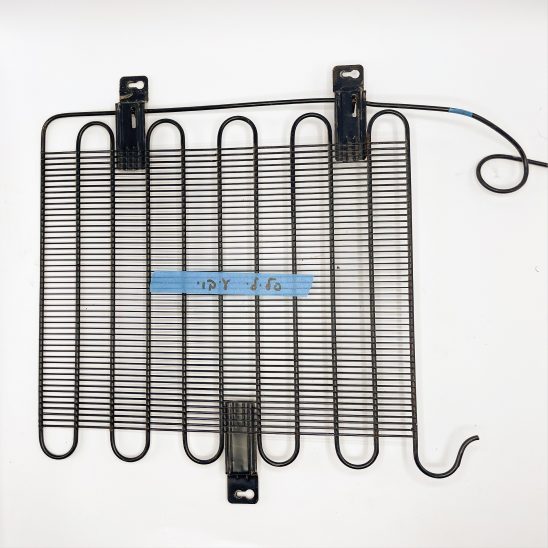
I took apart an old fridge to learn which parts it is made of and what each one does. These are the parts, as I labelled them on the bench.

Defrost timer
Condenser
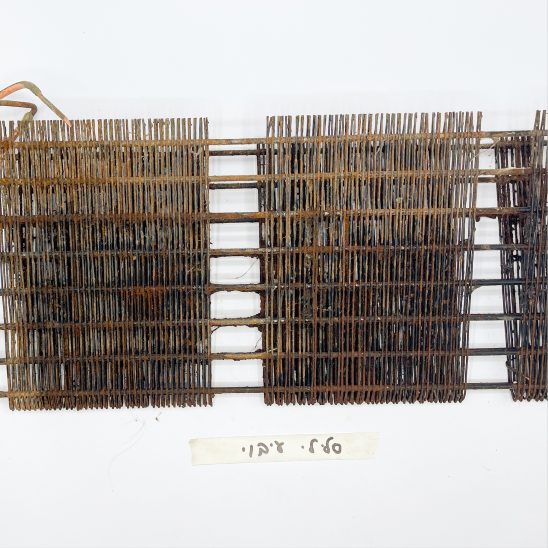
Evaporator
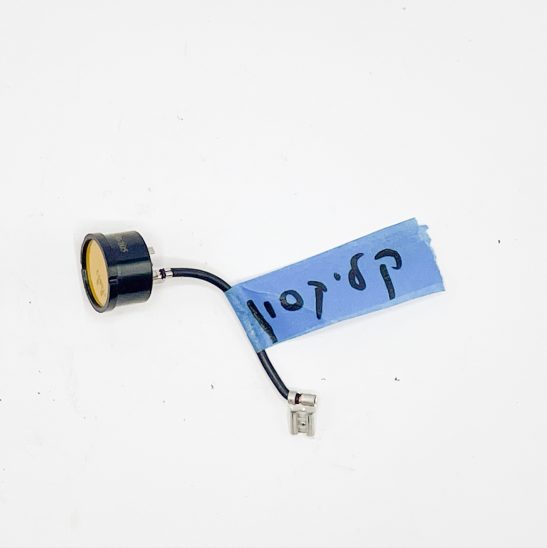
Overload protector (Klixon)

Lamp holder
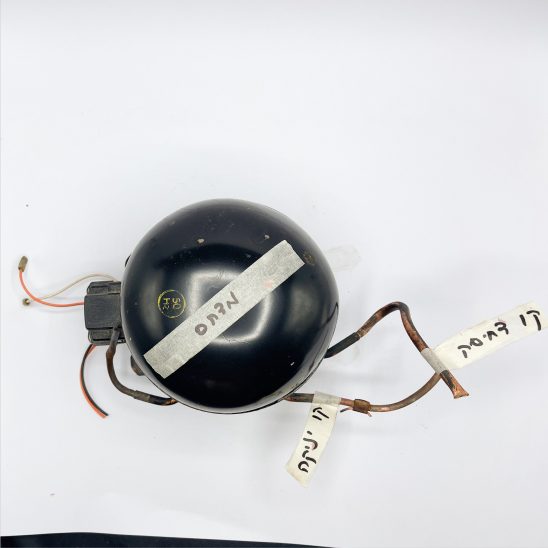
Compressor
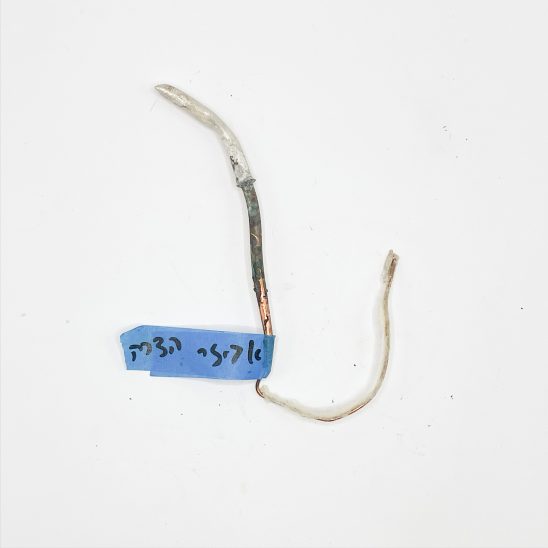
Capillary tube
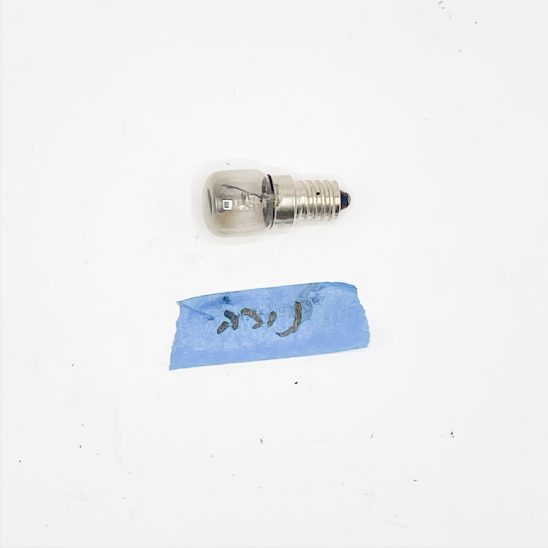
Bulb
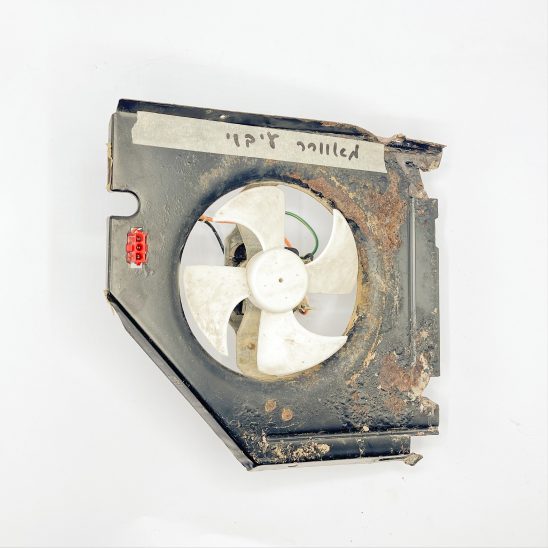
Fan
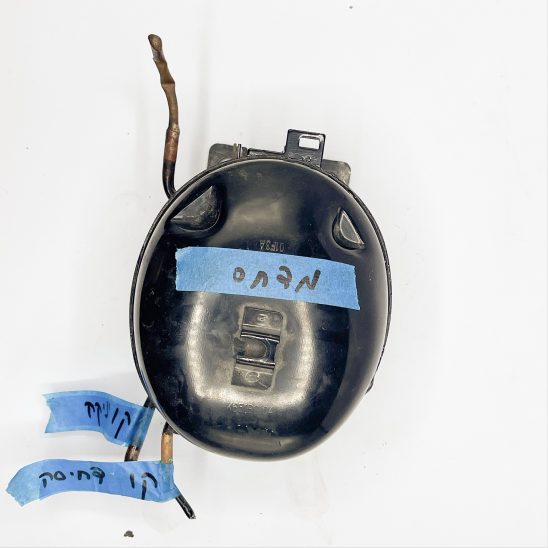
Compressor with relay
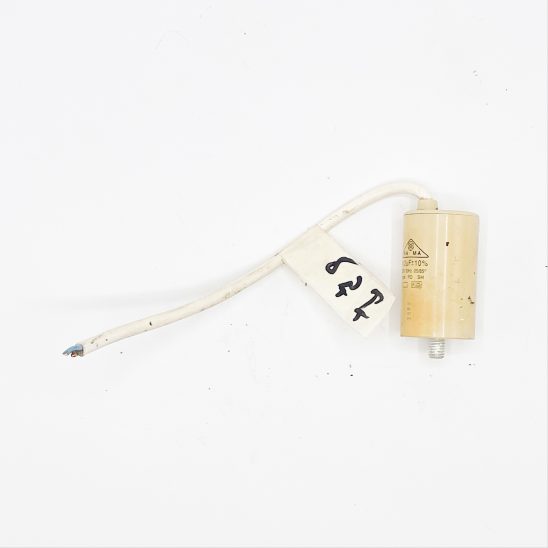
Capacitor
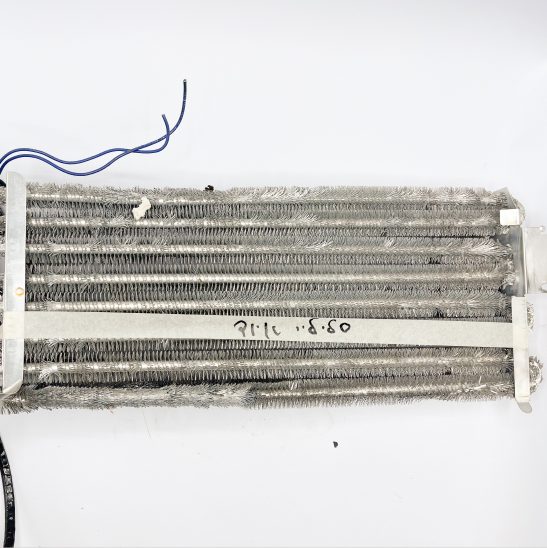
Evaporator

Thermostat
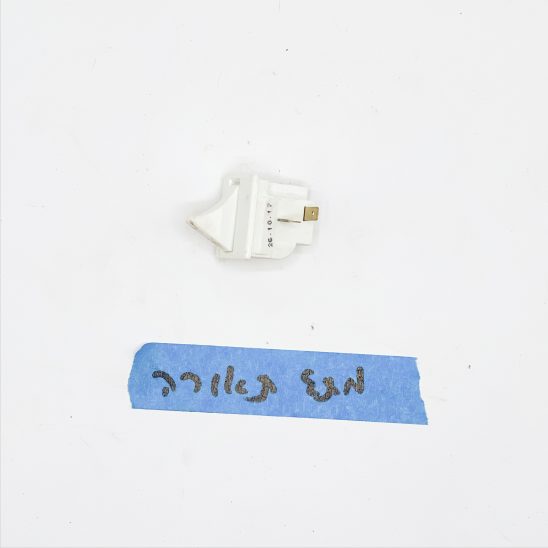
Light switch
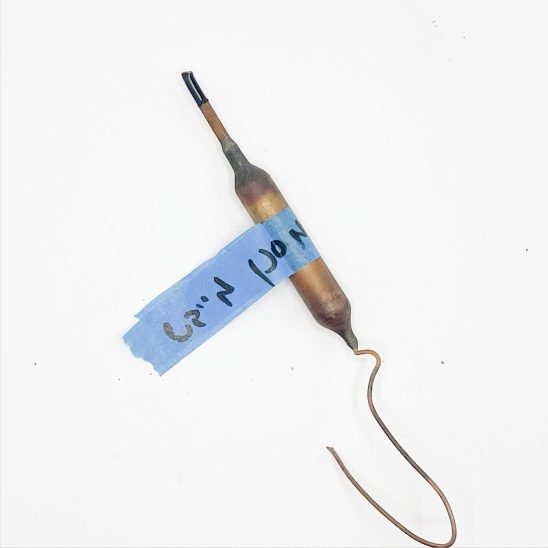
Filter drier
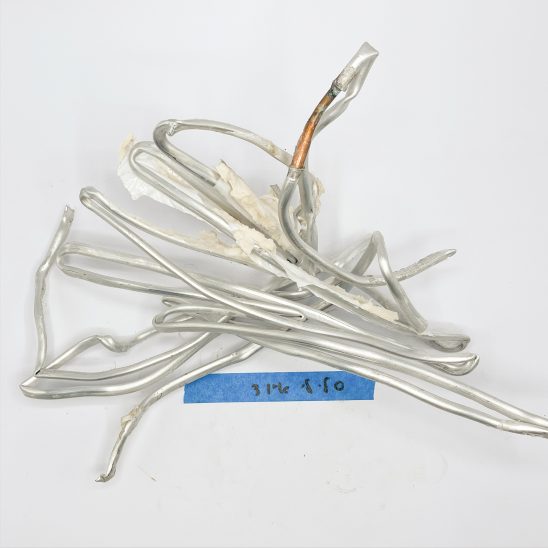
Heating wire
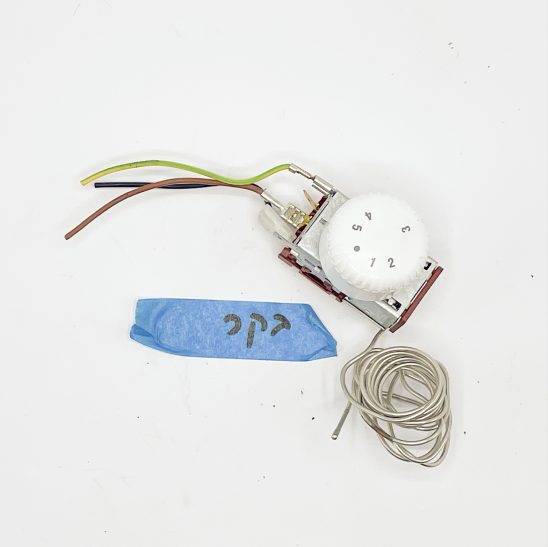
Thermostat
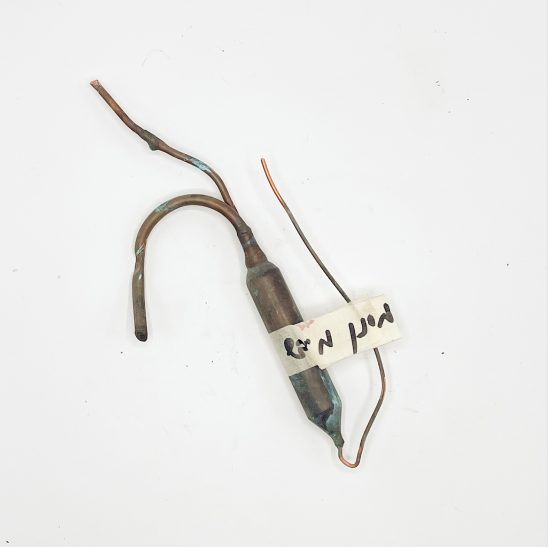
Filter drier
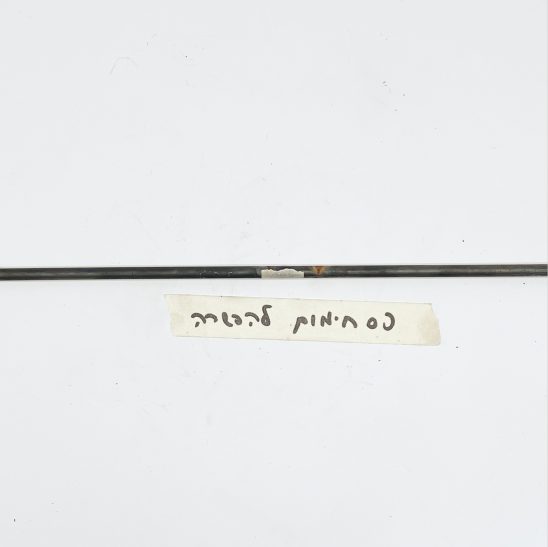
Door heater wire
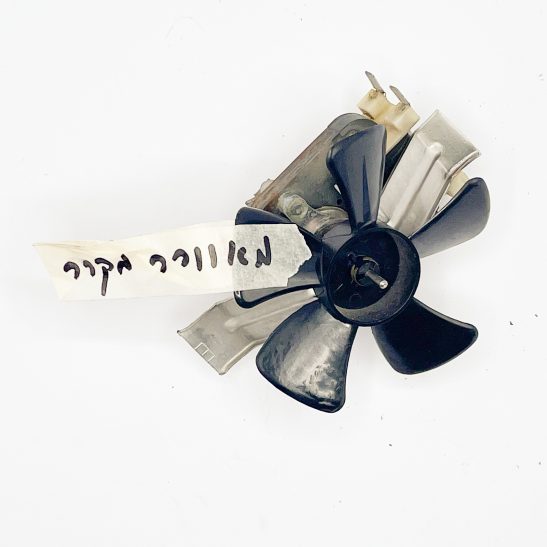
Fan
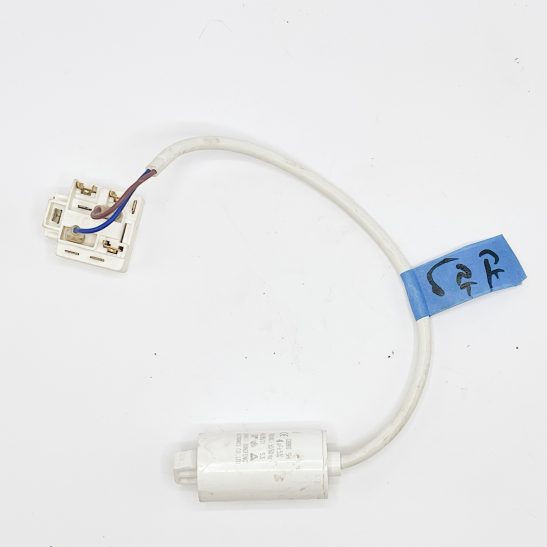
Plug
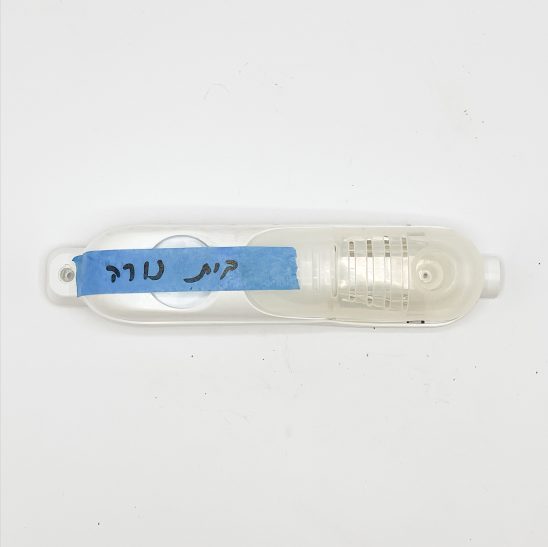
Lamp housing

Thermostat
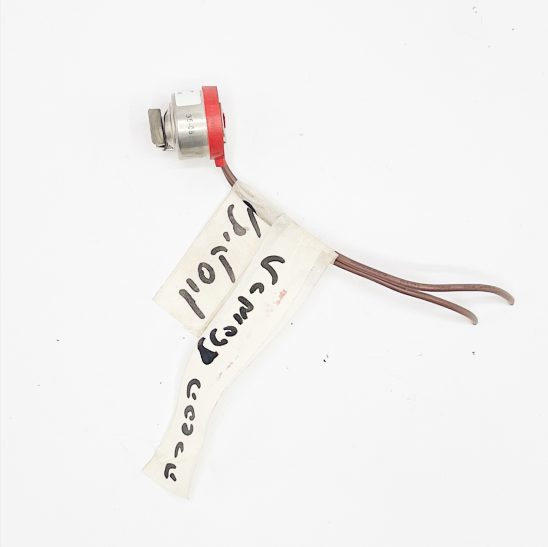
Defrost Klixon
Existing technologies
What fridges on the market already do to keep food fresh for longer.
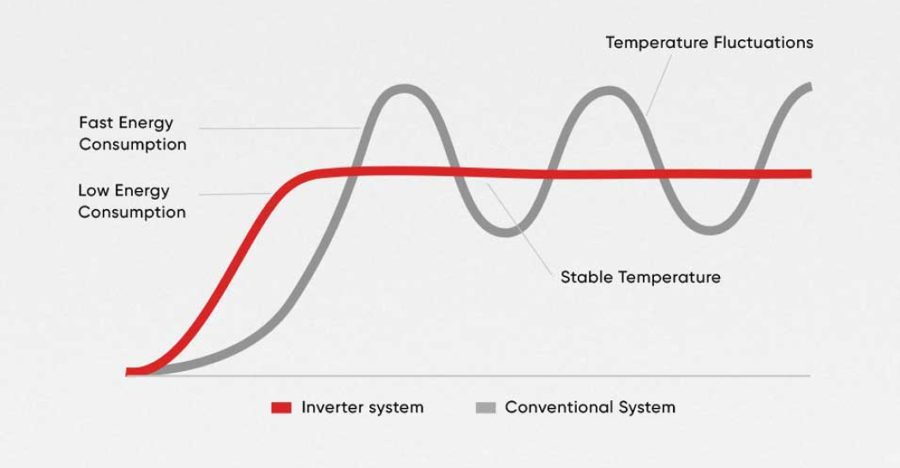
Inverter compressor
Changes speed instead of switching on and off, so the temperature stays steady and less energy is used.
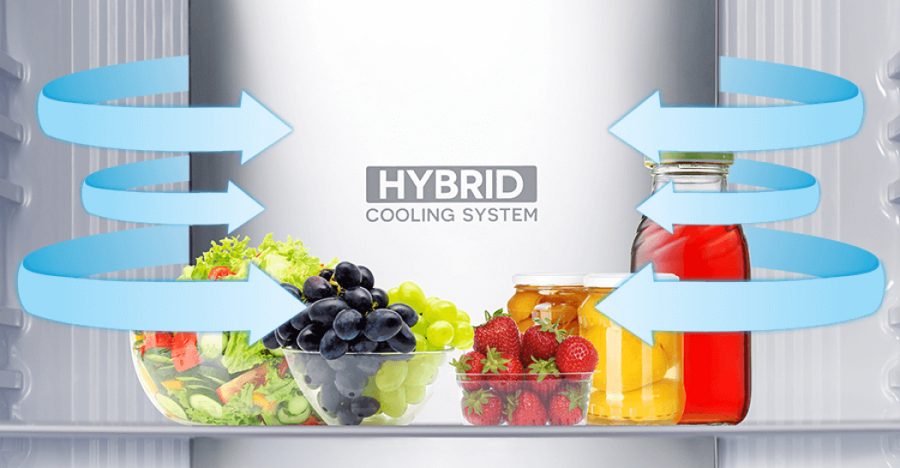
Hybrid cooling
Combines direct cooling with fan-driven airflow so the whole cabinet cools evenly.
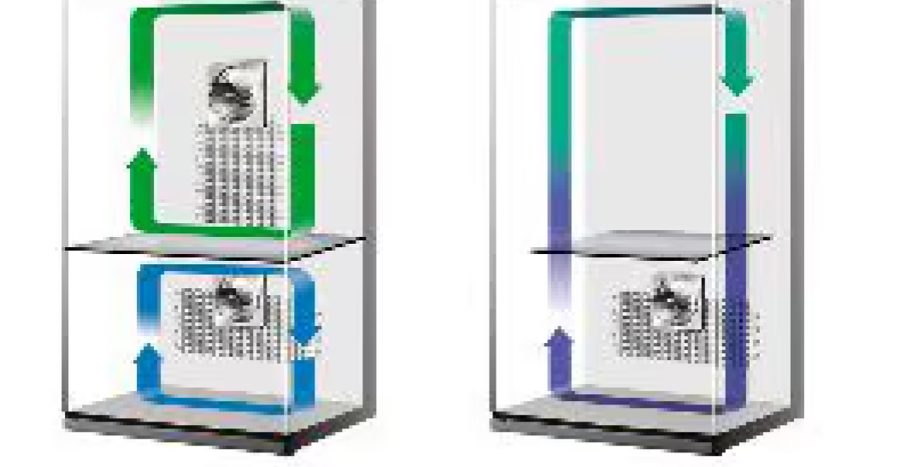
Twin cooling
Separate evaporators for the fridge and the freezer, so smells and dry air do not pass between them.

Multi-flow airflow
Vents on several shelves send cold air to every level at once.
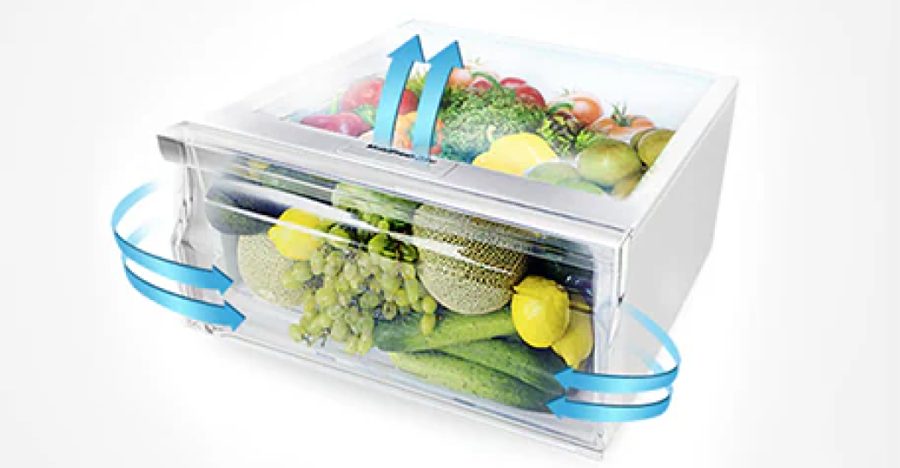
Circulating crisper
Cold air flows around the vegetable drawer to keep produce fresh.
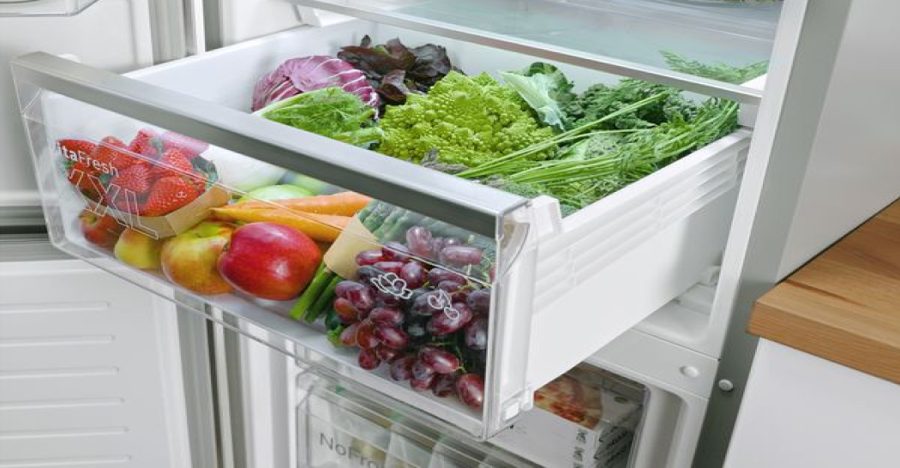
Pull-out produce drawer
A drawer that slides out fully so everything inside can be seen and reached.
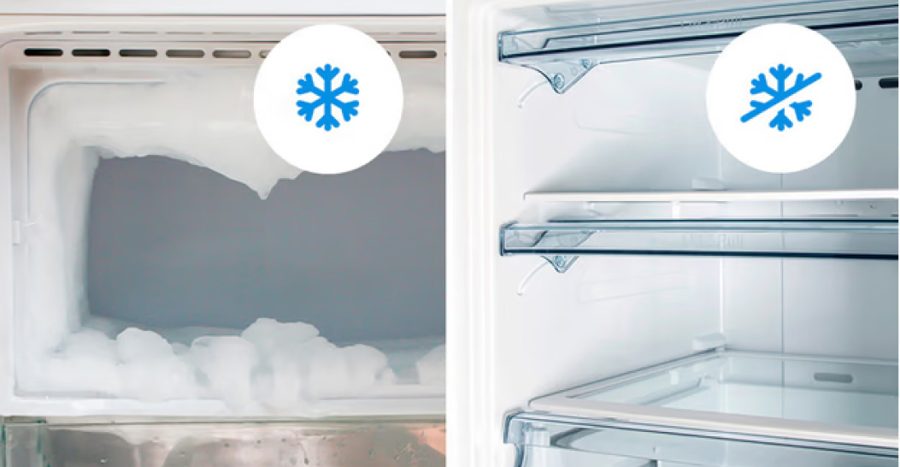
No-frost
Melts ice off the evaporator automatically, so frost never builds up.
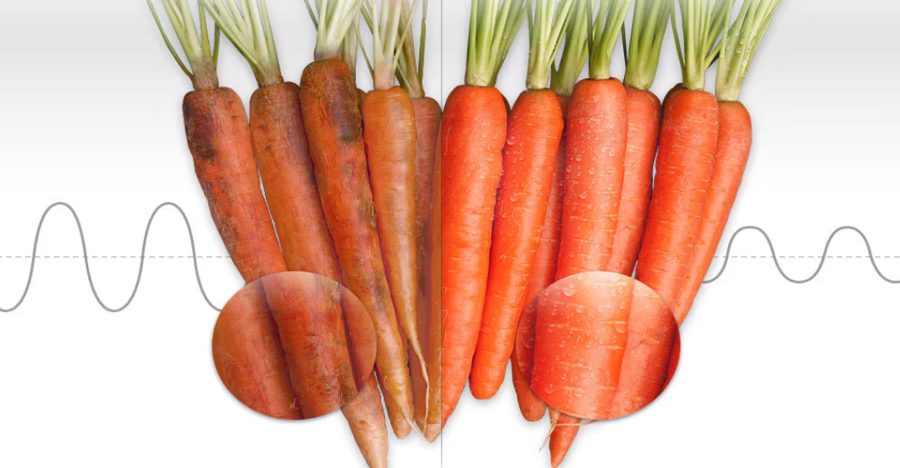
Humidity control
Keeps the vegetable drawer moist so produce does not dry out and wilt.
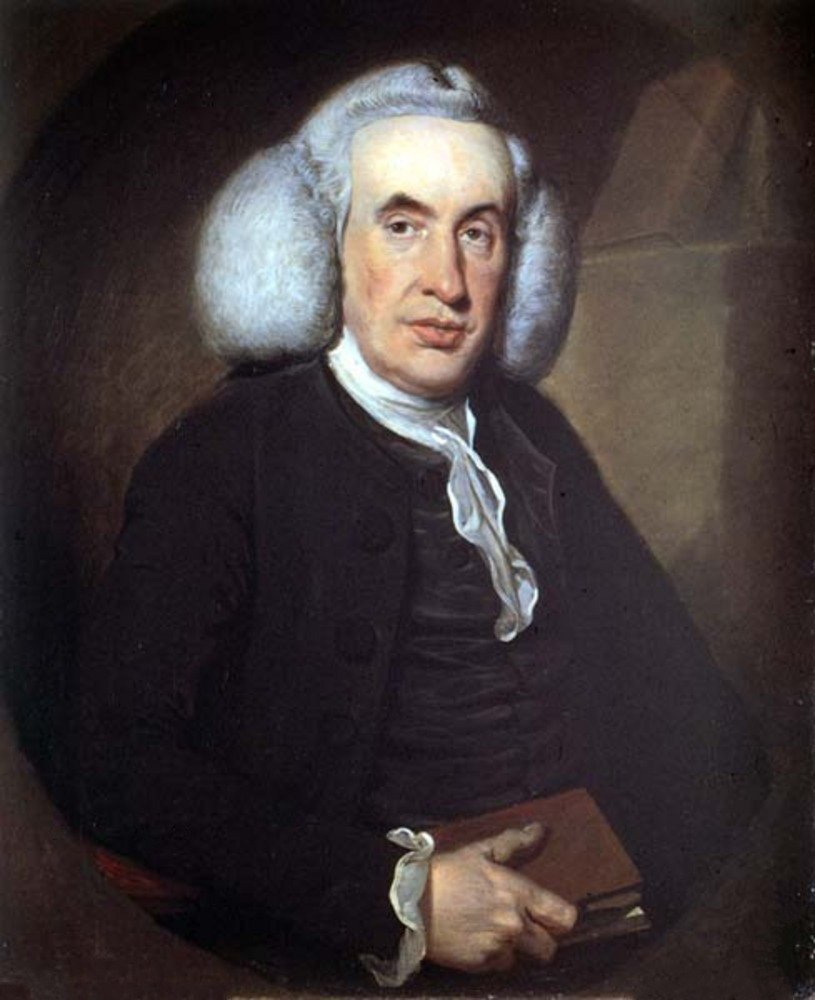
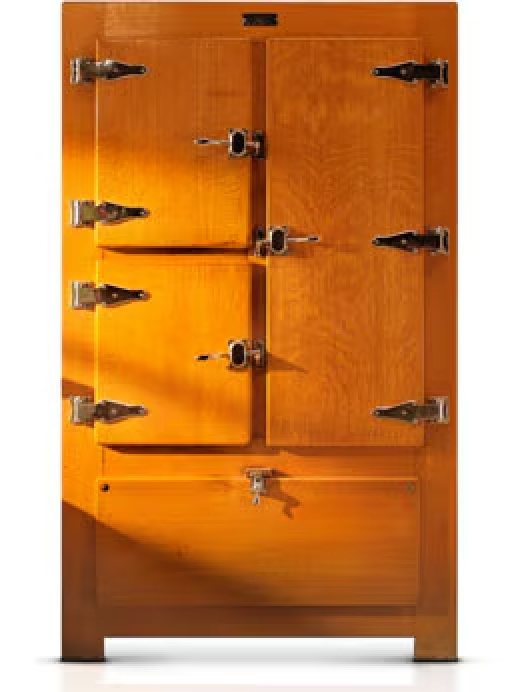
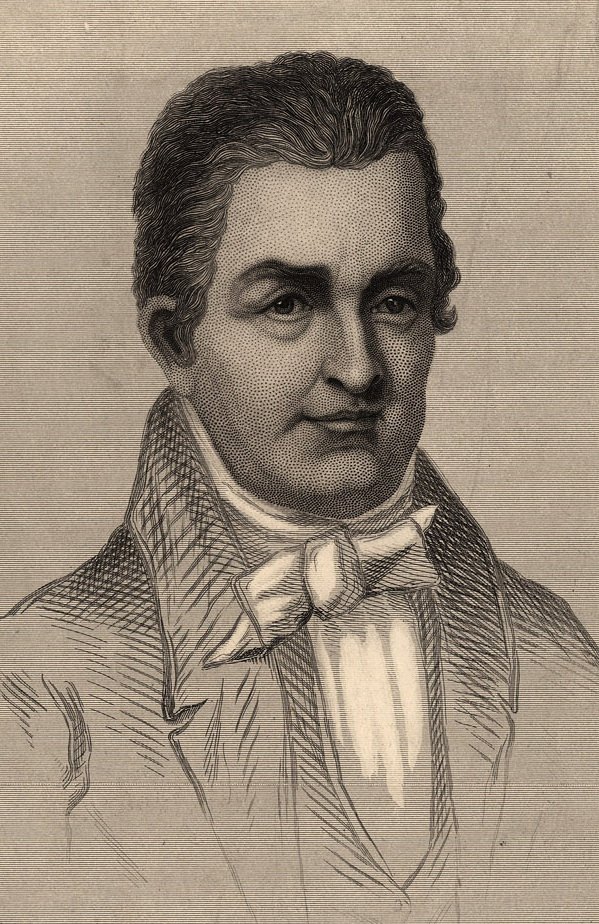
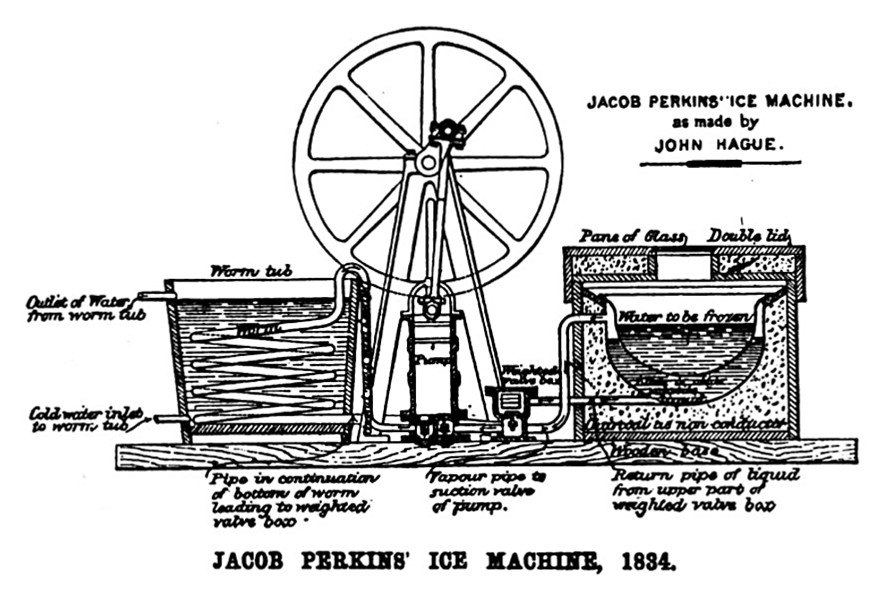
From ice houses to the first home fridge
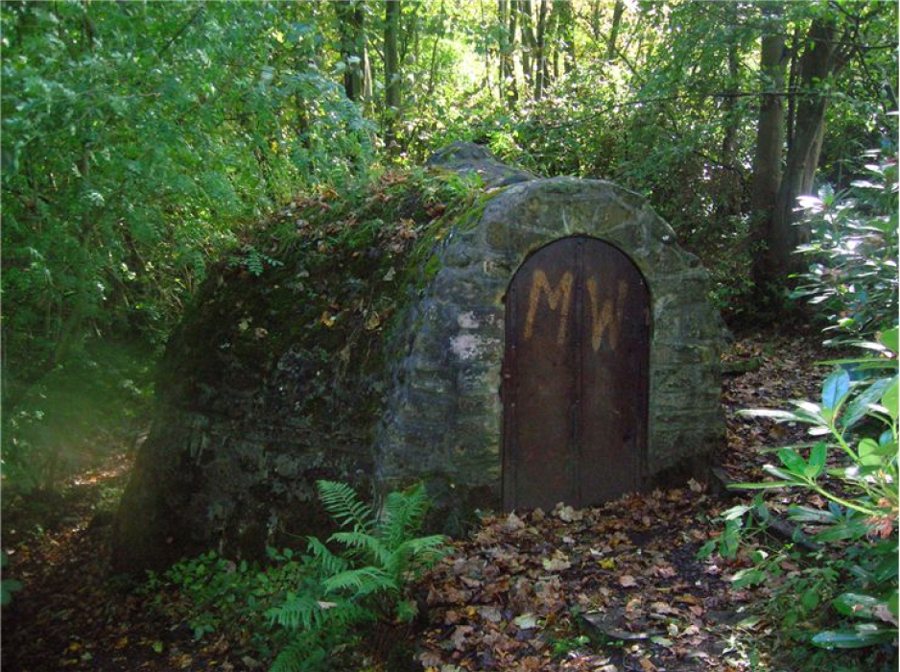
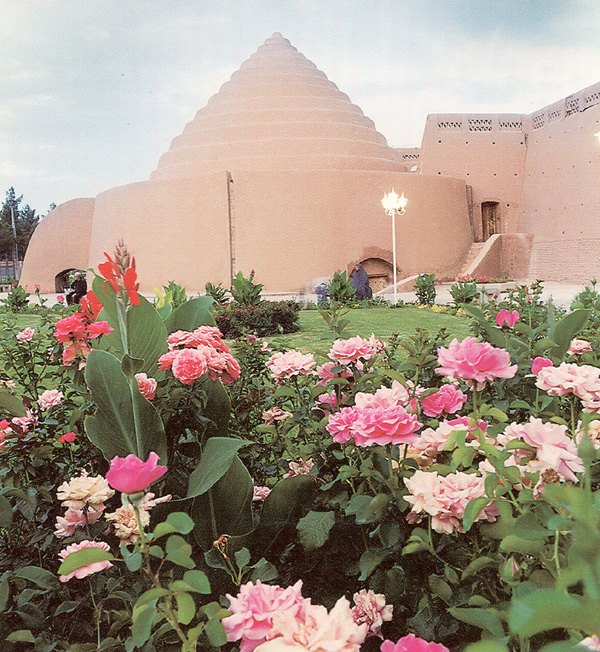
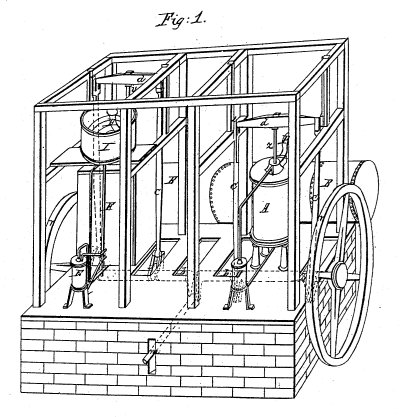
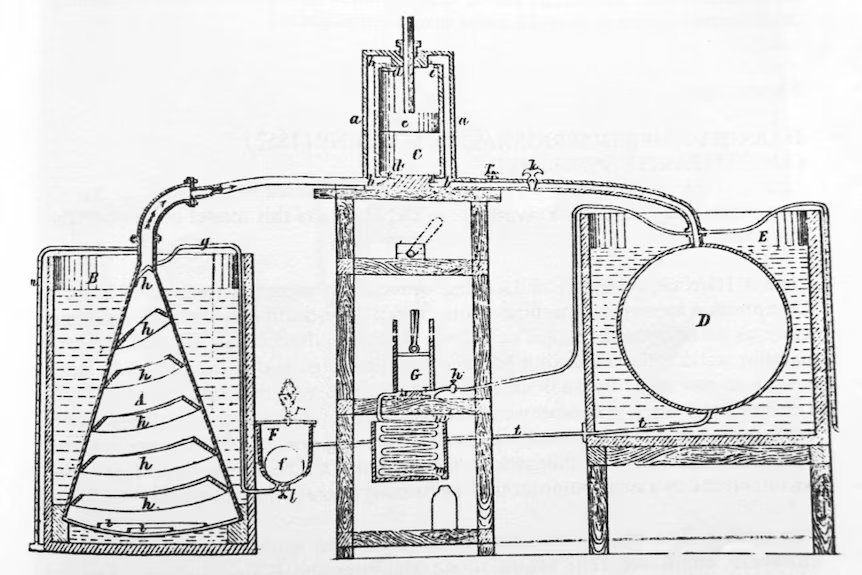
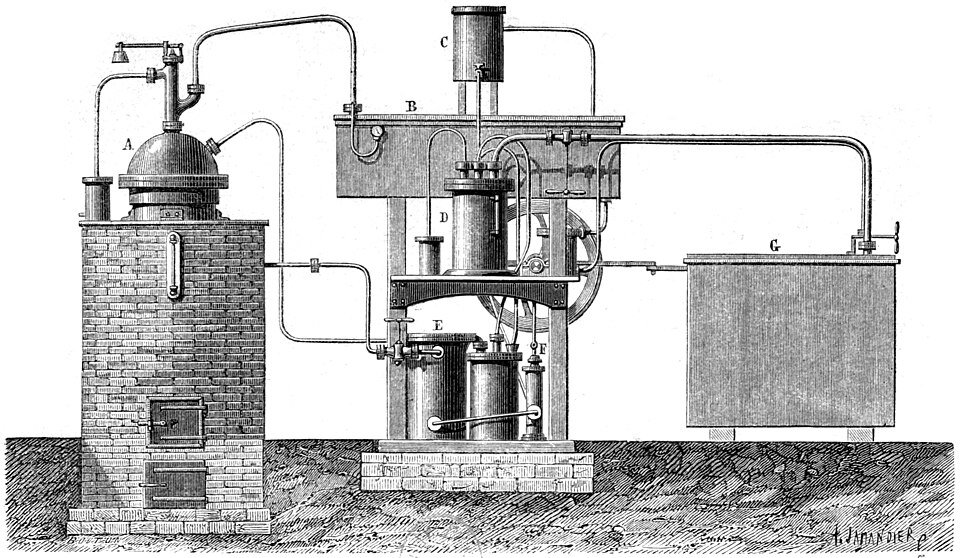
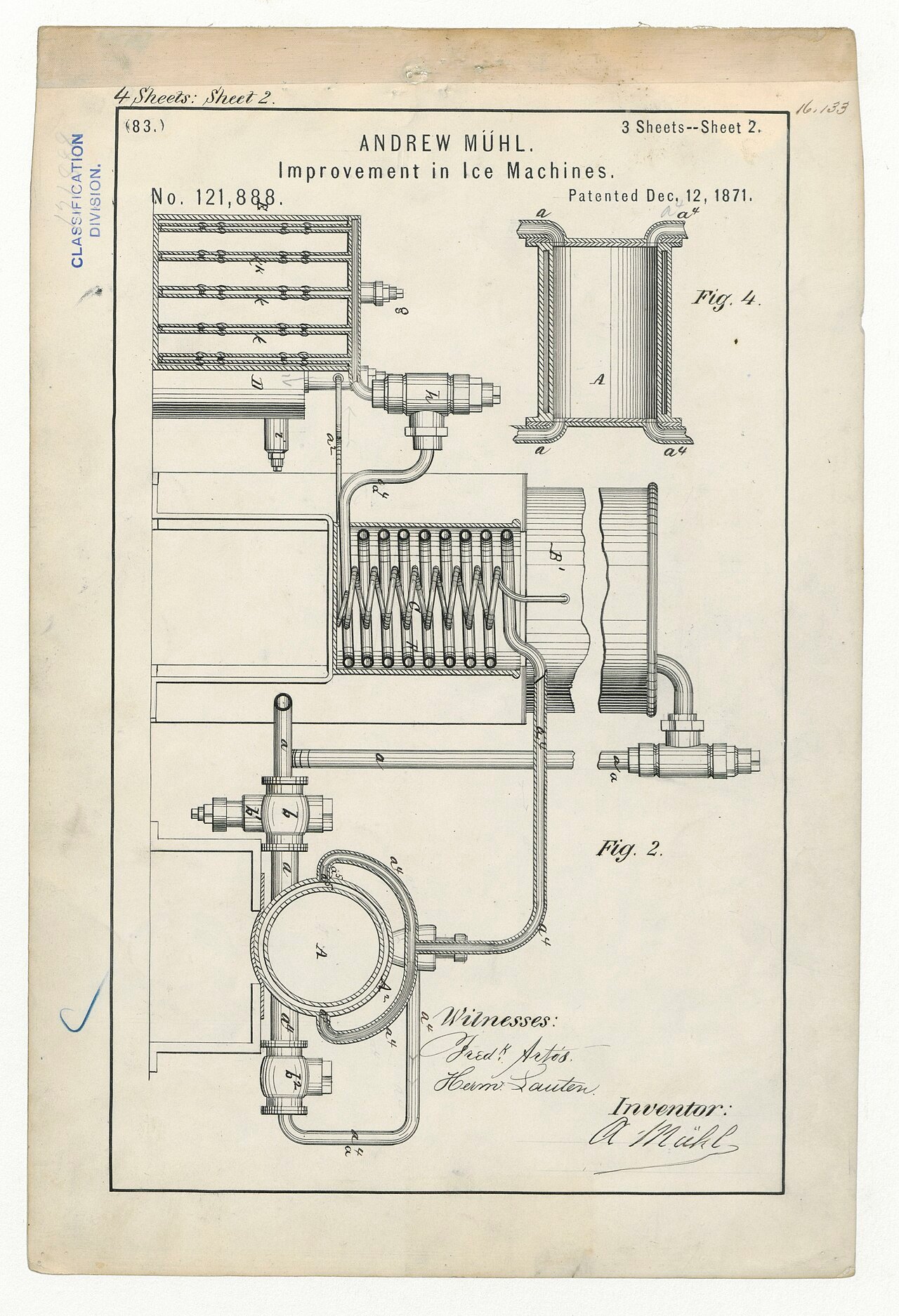
For thousands of years people could only store natural ice. Then, in under 200 years, they learned to make cold.
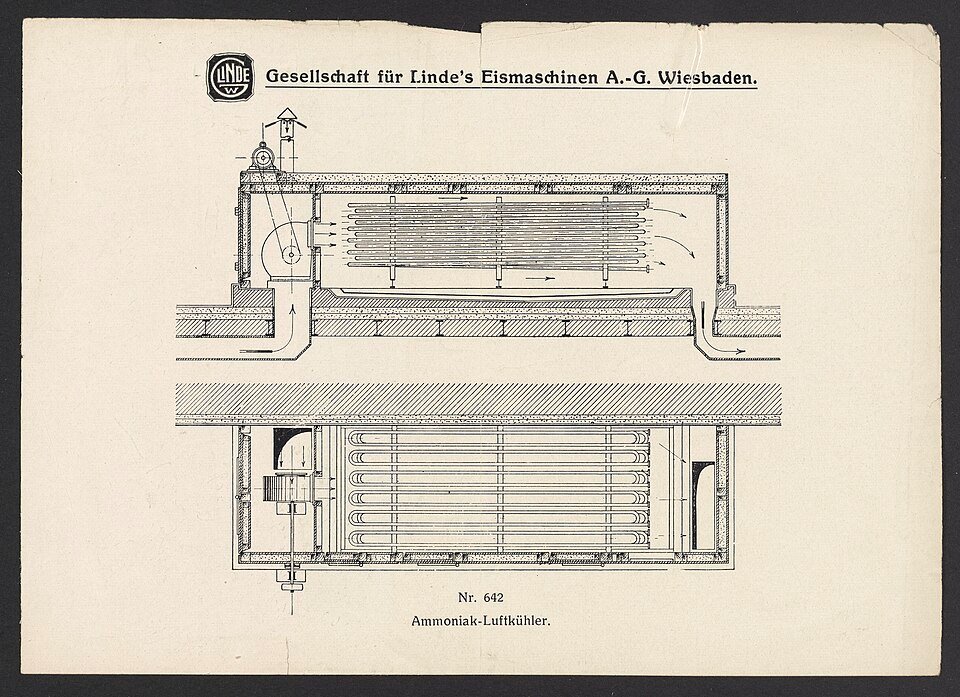
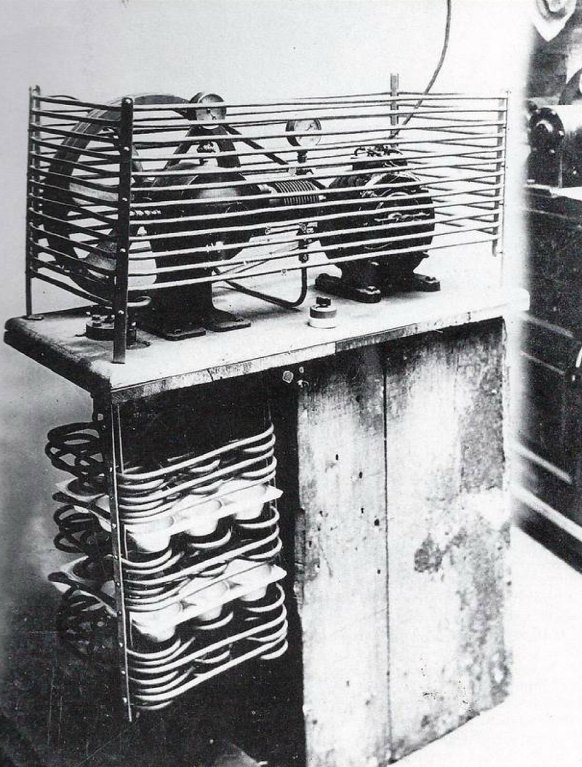
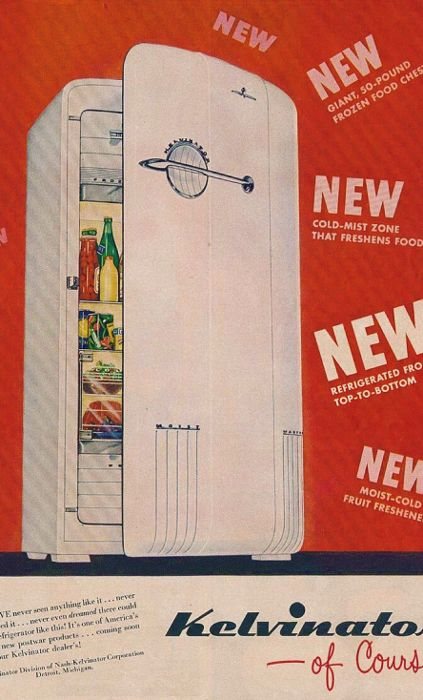
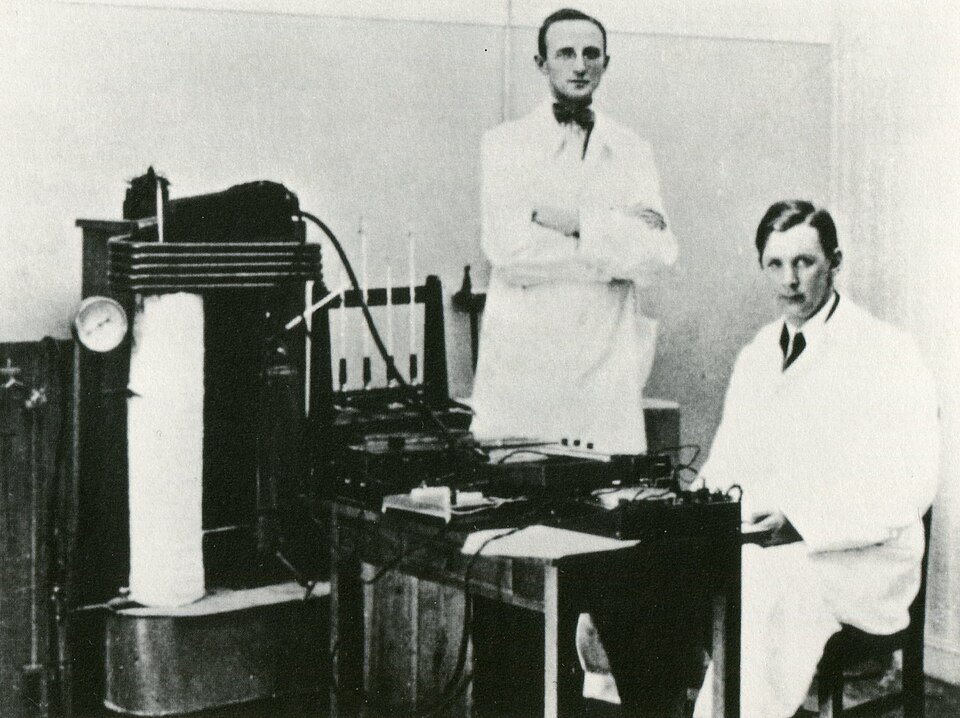
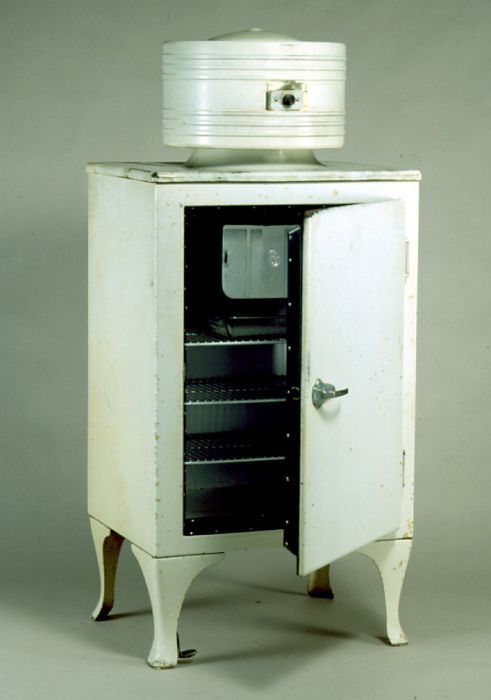
c. 1700 BCE
King Zimri-Lim of Mari, in today’s Syria, builds one of the first known ice houses, by the Euphrates.
A fridge for every decade
Drag the slider or press play. Each decade shows its models; they change on their own, or pick one.
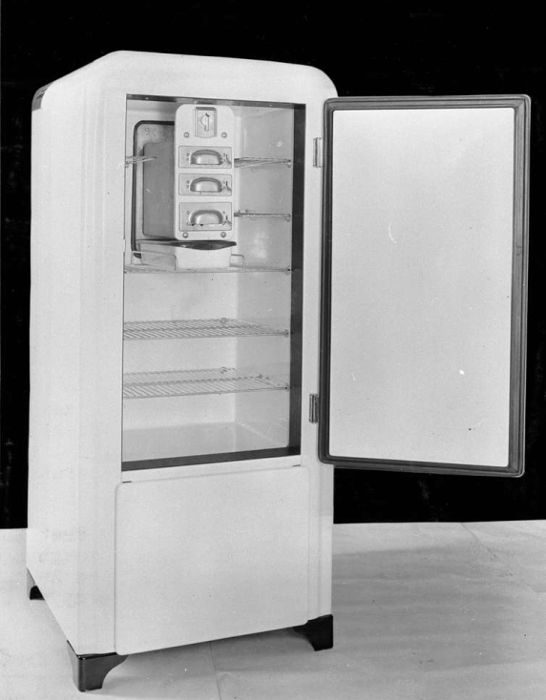
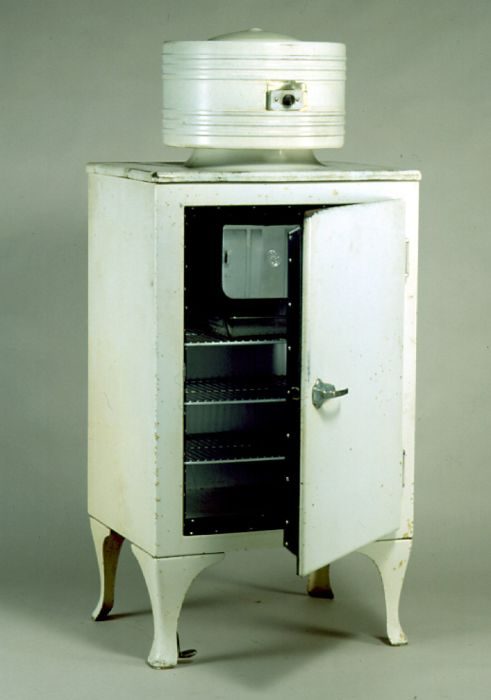
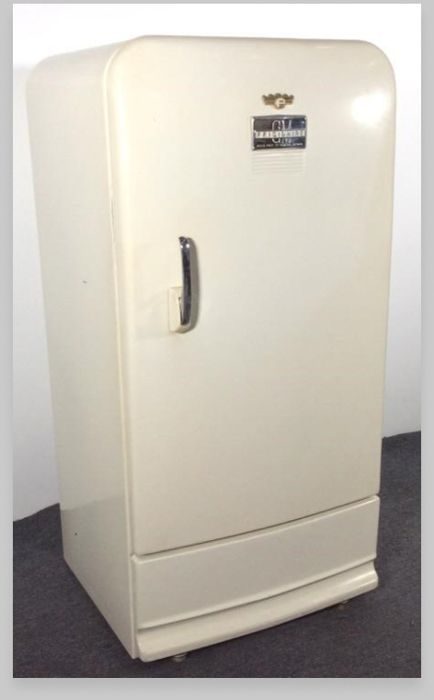
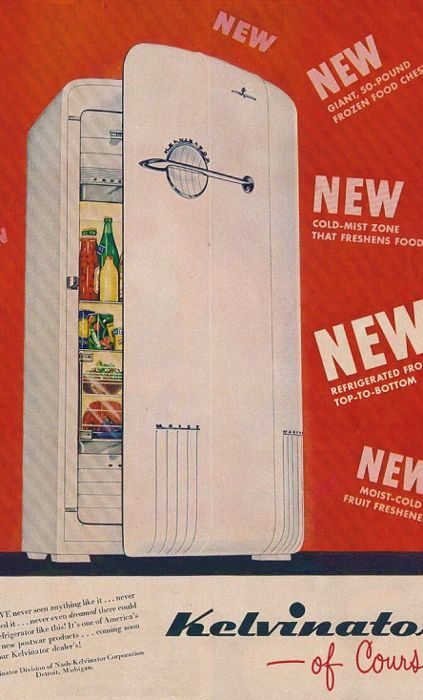
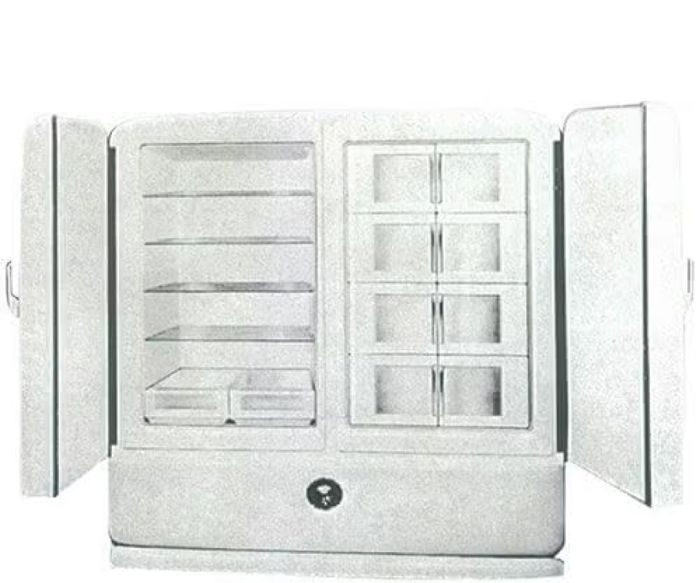
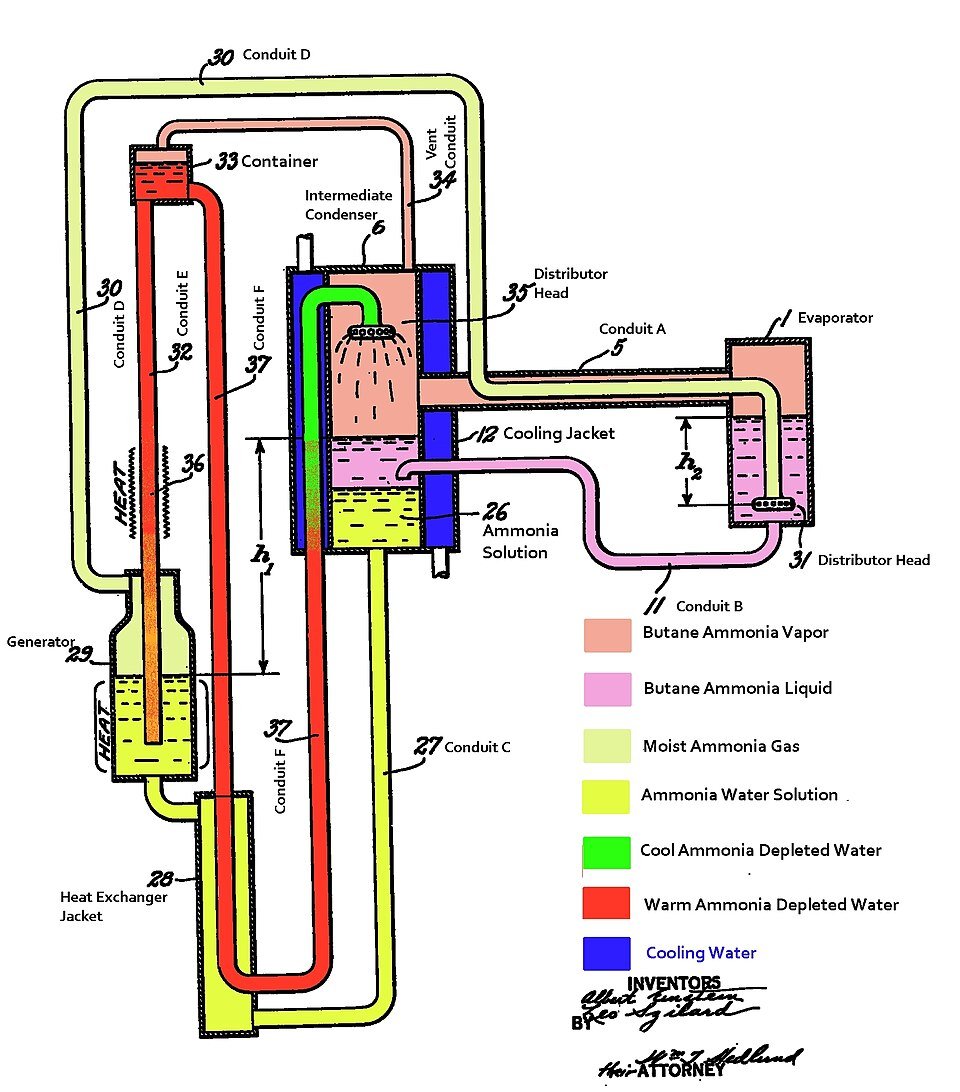
Servel Electrolux — absorption cooling, powered by heat
40s
- 85% of U.S. homes own a fridge
- The icebox fades out
- Absorption cooling, powered by heat
Design
Fruits, vegetables and herbs
The storage needs of each product: temperature, humidity, ethylene and usage. Click a column to sort, or filter by usage.
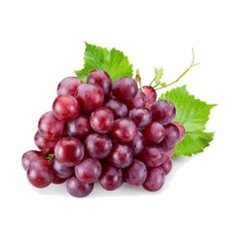 | -1 to 0°C | 92.5% | Eaten raw | Bulk | 1 | 4 | |||
|---|---|---|---|---|---|---|---|---|---|
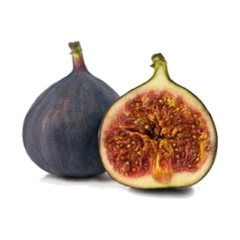 | -1 to 0°C | 92.5% | Eaten raw | Bulk | 8 | 16 | |||
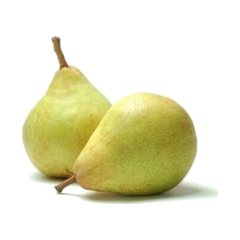 | -1 to 0°C | 92.5% | Eaten raw | Round | 5 | 15 | |||
 | -0.5 to 0°C | 92.5% | Eaten raw | Round | 4 | 8 | |||
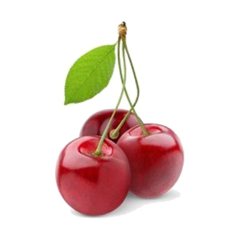 | -0.5 to 0.5°C | 92.5% | Eaten raw | Bulk | 1 | 3 | |||
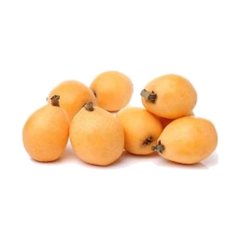 | 0°C | 92.5% | – | – | Eaten raw | Round | 8 | 16 | |
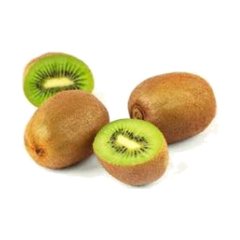 | 0°C | 92.5% | Eaten raw | Round | 4 | 8 | |||
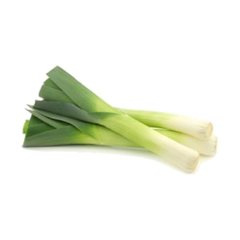 | -1 to 1°C | 97.5% | Needs cooking | Leafy | 1 | 4 | |||
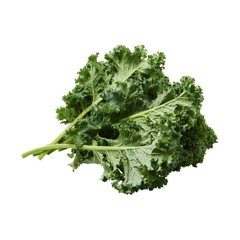 | 0°C | 97.5% | Needs cooking | Leafy | 1 | 4 | |||
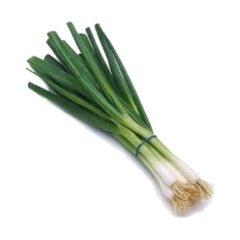 | 0°C | 99% | – | – | Raw or cooked | Leafy | 1 | 1 | |
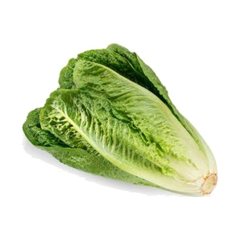 | 0°C | 97.5% | Supporting ingredient | Leafy | 1.5 | 7.5 | |||
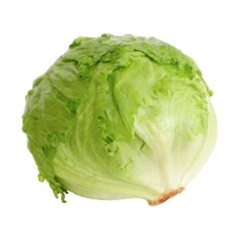 | 0°C | 97.5% | Supporting ingredient | Leafy | 1.5 | 6 | |||
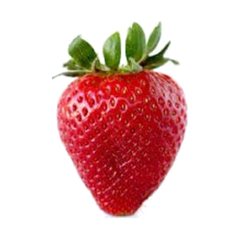 | 0 to 0.5°C | 92.5% | Eaten raw | Bulk | 1 | 4 | |||
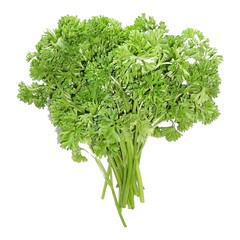 | 0 to 1°C | 97.5% | Supporting ingredient | Leafy | 1 | 2 | |||
 | 0 to 1°C | 97.5% | Supporting ingredient | Leafy | 1 | 2 | |||
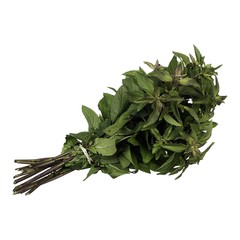 | 0 to 1°C | 97.5% | Supporting ingredient | Leafy | 1 | 2 | |||
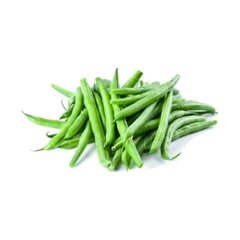 | 0 to 1°C | 96.5% | Needs cooking | Bulk | 1 | 4 | |||
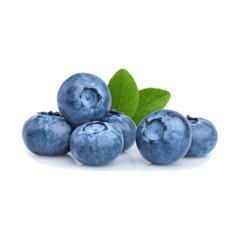 | 0 to 1°C | 92.5% | Eaten raw | Bulk | 1 | 3 | |||
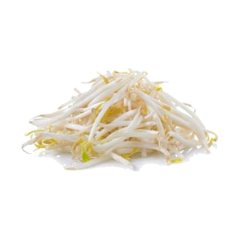 | 0 to 1°C | 97.5% | Supporting ingredient | Bulk | 1 | 3 | |||
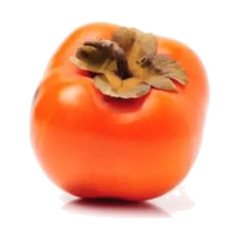 | 0 to 1°C | 92.5% | Eaten raw | Round | 4 | 8 | |||
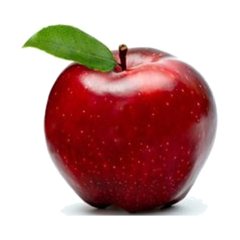 | 0 to 1°C | 92.5% | Eaten raw | Round | 6 | 18 | |||
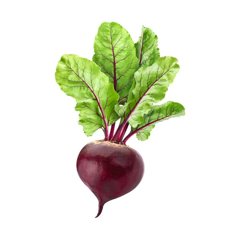 | 0 to 1°C | 97.5% | Raw or cooked | Round | 3 | 12 | |||
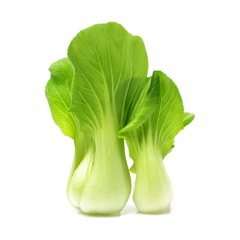 | 0 to 1°C | 97.5% | Needs cooking | Leafy | 1 | 4 | |||
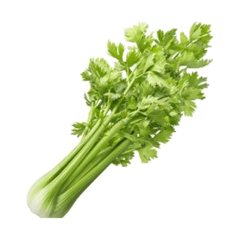 | 0 to 1°C | 97.5% | Raw or cooked | Leafy | 1 | 4 | |||
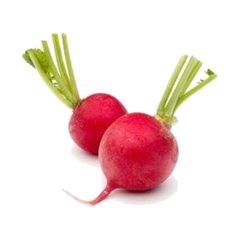 | 0 to 2°C | 92.5% | Raw or cooked | Bulk | 1 | 3 | |||
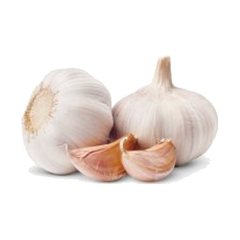 | 0 to 2°C | 65% | Supporting ingredient | Bulk | 5 | 5 | |||
 | 0 to 2°C | 92.5% | Supporting ingredient | Bulk | 2 | 6 | |||
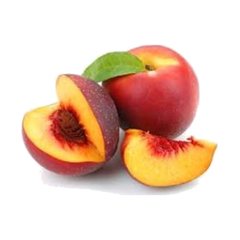 | 0 to 2°C | 92.5% | Eaten raw | Round | 5 | 10 | |||
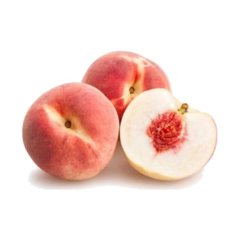 | 0 to 2°C | 92.5% | Eaten raw | Round | 5 | 15 | |||
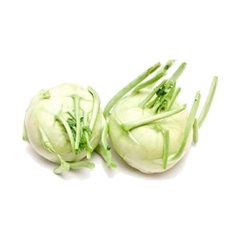 | 0 to 2°C | 95% | – | – | Raw or cooked | Round | 3 | 9 | |
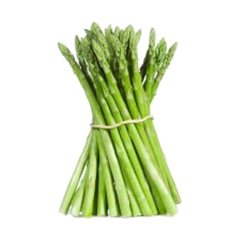 | 0 to 2°C | 92.5% | Needs cooking | Leafy | 1 | 3 | |||
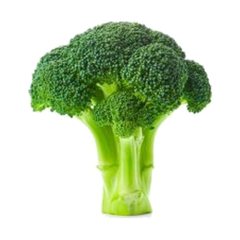 | 0 to 2°C | 92.5% | Needs cooking | Leafy | 1 | 4 | |||
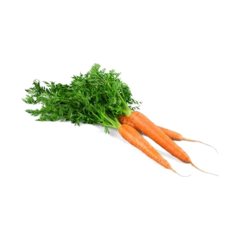 | 0 to 2°C | 92.5% | Raw or cooked | Cylinder | 10 | 30 | |||
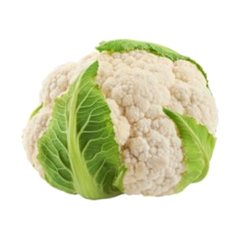 | 0 to 2°C | 92.5% | Needs cooking | Large | 1 | 5 | |||
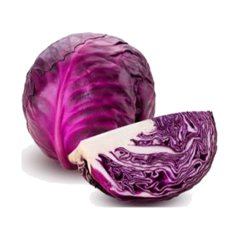 | 0 to 2°C | 92.5% | Raw or cooked | Large | 1.5 | 7.5 | |||
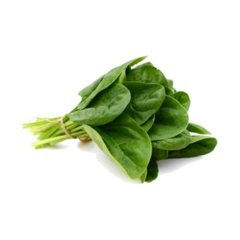 | 0 to 3°C | 95% | Needs cooking | Leafy | 1 | 3 | |||
 | -1 to 4°C | 92.5% | Needs cooking | Cylinder | 6 | 18 | |||
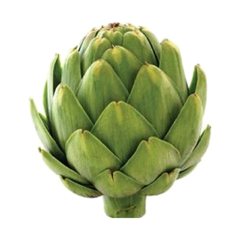 | 0 to 4°C | 92.5% | Needs cooking | Round | 4 | 16 | |||
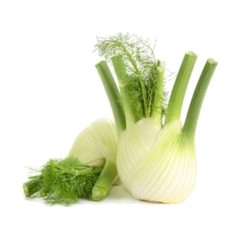 | 0 to 4°C | 95% | – | – | Raw or cooked | Round | 3 | 9 | |
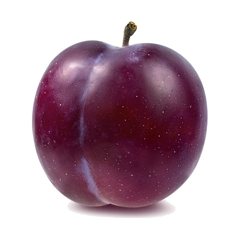 | 1 to 5°C | 92.5% | Eaten raw | Round | 5 | 10 | |||
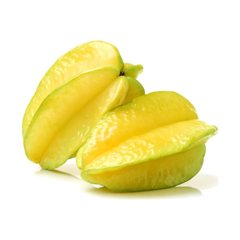 | 2 to 6°C | 92.5% | – | – | Eaten raw | Round | 3 | 9 | |
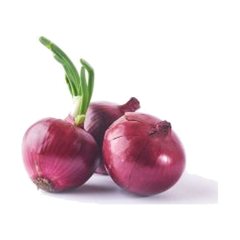 | 2 to 7°C | 72.5% | Raw or cooked | Round | 10 | 20 | |||
 | 4 to 6°C | 92.5% | Needs cooking | Bulk | 1 | 4 | |||
 | 5 to 6°C | 92.5% | Eaten raw | Bulk | 12 | 12 | |||
 | 5 to 7°C | 92.5% | Supporting ingredient | Bulk | 8 | 8 | |||
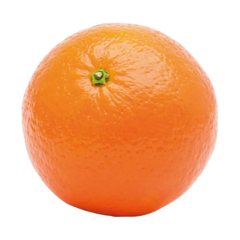 | 3 to 9°C | 92.5% | Eaten raw | Round | 4 | 12 | |||
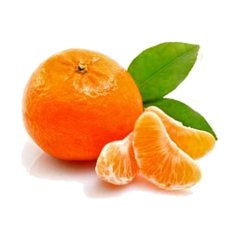 | 5 to 8°C | 92.5% | Eaten raw | Round | 8 | 16 | |||
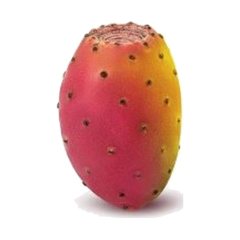 | 6 to 8°C | 92.5% | – | – | Eaten raw | Bulk | 6 | 12 | |
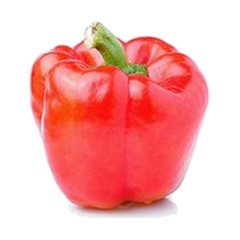 | 6 to 8°C | 92.5% | Raw or cooked | Round | 4 | 12 | |||
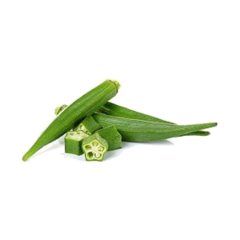 | 7 to 10°C | 97.5% | Needs cooking | Bulk | 1 | 4 | |||
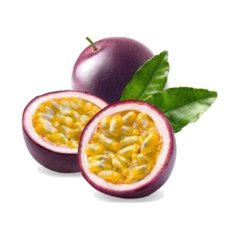 | 7 to 10°C | 92.5% | – | – | Eaten raw | Bulk | 6 | 12 | |
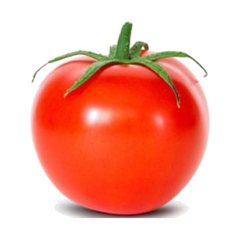 | 7 to 10°C | 92.5% | Eaten raw | Round | 10 | 30 | |||
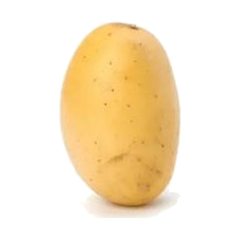 | 6 to 12°C | 92.5% | Needs cooking | Round | 10 | 30 | |||
 | 8 to 10°C | 87.5% | – | – | Eaten raw | Round | 3 | 9 | |
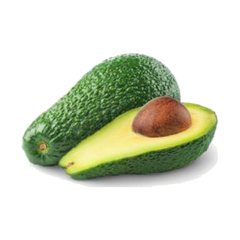 | 5 to 13°C | 92.5% | Eaten raw | Round | 4 | 12 | |||
 | 8 to 12°C | 92.5% | – | – | Eaten raw | Round | 3 | 9 | |
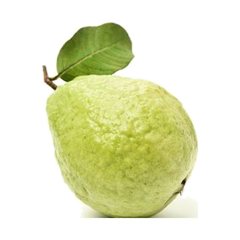 | 8 to 12°C | 85% | Eaten raw | Round | 5 | 10 | |||
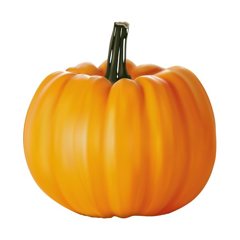 | 8 to 12°C | 92.5% | Needs cooking | Large | 0.5 | 2 | |||
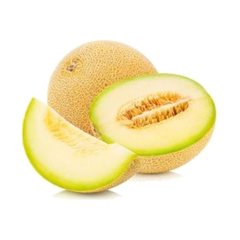 | 8 to 12°C | 87.5% | Eaten raw | Large | 1 | 5 | |||
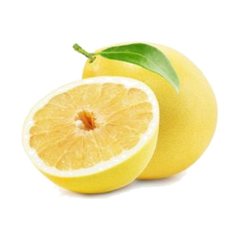 | 8 to 12°C | 87.5% | Eaten raw | Large | 1 | 5 | |||
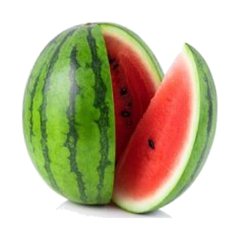 | 8 to 12°C | 87.5% | Eaten raw | Large | 1 | 5 | |||
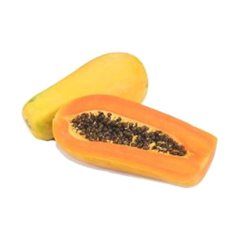 | 8 to 12°C | 87.5% | Eaten raw | Large | 2 | 8 | |||
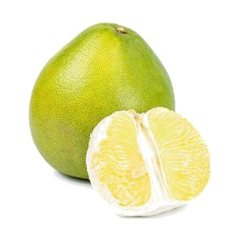 | 8 to 12°C | 85% | Eaten raw | Large | 1 | 5 | |||
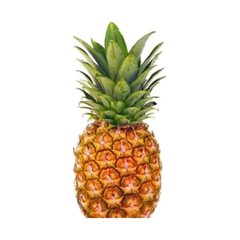 | 7 to 13°C | 87.5% | Eaten raw | Round | 1 | 4 | |||
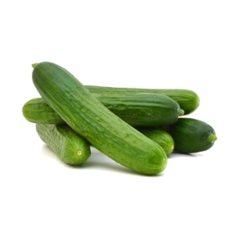 | 9 to 12.5°C | 92.5% | Eaten raw | Cylinder | 10 | 20 | |||
 | 10 to 12°C | 87.5% | Supporting ingredient | Round | 9 | 18 | |||
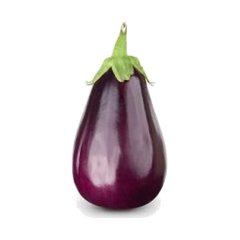 | 10 to 12°C | 92.5% | Needs cooking | Large | 2 | 8 | |||
 | 10 to 13°C | 92.5% | Eaten raw | Round | 2 | 8 | |||
 | 13 to 14°C | 92.5% | Eaten raw | Cylinder | 7 | 14 | |||
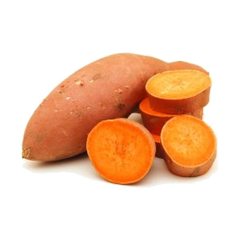 | 12.5 to 15°C | 80% | Needs cooking | Large | 4 | 16 | |||
 | 13 to 15°C | 92.5% | Supporting ingredient | Bulk | 1 | 3 |
Temperature bar: −1 to 15°CEthylene: dots 0–3, none to highSize: dots 1–5Volume = units × sizeClick a product for its card
From a table to compartments
I set my own rules for which products can be stored together, worked them into a prompt with ChatGPT, and ran it on the products table in Julius AI, asking for several different versions. I combined parts of them and corrected the result myself. Each final group shares the same storage conditions, so each group became a compartment in the fridge. This sorting is where the configuration of ETAL comes from.
Input
The products
Temperature, humidity, ethylene, usage, shape and size for each one.
My rules
- 1Same temperature range
- 2Ethylene-sensitive items apart from high producers
- 3Leafy greens and herbs together
- 4Large items apart from small packaged ones
- 5Same usage type together
- 6Similar humidity together
- 7Strong smells apart from odour absorbers
The last two rules were added on ChatGPT’s suggestion.
AI
Sorting
Julius AI grouped the products by the rules, in several versions to compare.
Me
Combine and refine
I combined the best parts of the versions and corrected the groups myself.
Output
Compartments
Each group is one storage zone in the fridge.
From sketch to model
Inspiration, paper and digital sketches, and the first models. Hover to enlarge, click to open.